
South Korea Eases Restrictions on North Korean Media Amid Diplomatic Push on Nuclear Issue
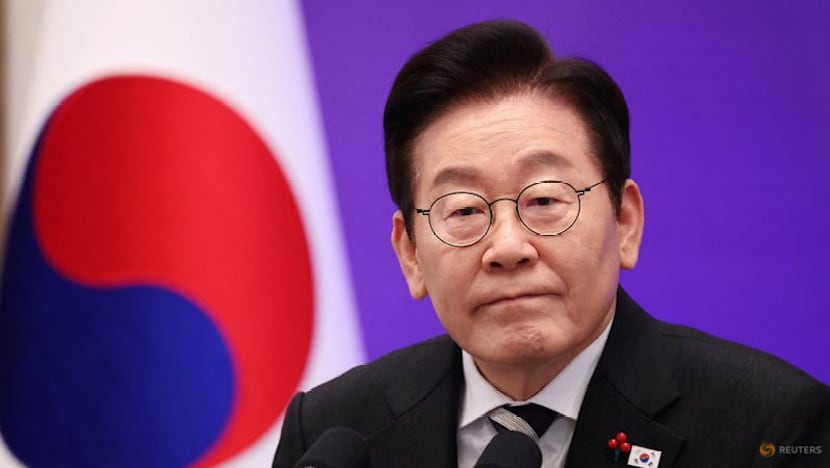
Seoul, South Korea – In a pair of developments signaling nuanced shifts in its approach to Pyongyang, South Korea has lifted a long-standing ban on access to North Korea's state-run newspaper while President Lee Jae-myung urged Chinese leader Xi Jinping to intervene in curbing North Korea's nuclear weapons program. These moves, occurring within days of each other in early January 2026, highlight ongoing tensions and tentative diplomatic overtures on the Korean Peninsula.
The lifting of the ban on North Korea's Rodong Sinmun newspaper took effect on January 2, 2026, removing restrictions that had blocked South Korean internet users from accessing the outlet since May 2020. That earlier measure was enacted under the previous administration amid heightened inter-Korean hostilities, including North Korea's destruction of liaison offices and balloon launches of propaganda leaflets. South Korean authorities cited the move as part of broader efforts to reduce barriers to information flow, though it has sparked divided public opinion. Polls indicate skepticism among many South Koreans, who view the newspaper as a primary vehicle for Pyongyang's state propaganda, while others see it as a low-risk step toward dialogue.
This policy change comes against a backdrop of frosty relations. Inter-Korean ties have deteriorated since the collapse of summit diplomacy between then-South Korean President Moon Jae-in and North Korean leader Kim Jong Un in 2019. North Korea has since accelerated its missile tests and nuclear rhetoric, conducting over 100 missile launches in 2022 alone and declaring itself an irreversible nuclear state in its constitution. South Korea's National Security Act had previously classified access to North Korean media as a potential threat to national security, punishable by fines or imprisonment. The ban's reversal reflects the new Lee administration's emphasis on pragmatic engagement, though officials have emphasized it does not extend to other restricted North Korean content.
Just five days later, on January 7, 2026, President Lee disclosed during a public statement that he had directly appealed to President Xi during recent bilateral talks for China's assistance in reining in North Korea's nuclear ambitions. "I urged President Xi to play a mediating role in addressing North Korea's nuclear weapons program," Lee said, according to reports from Channel News Asia. This outreach underscores Seoul's strategic reliance on Beijing, North Korea's primary economic benefactor and diplomatic ally, which provides up to 90% of Pyongyang's trade and has historically influenced its behavior.
China's position on the Korean Peninsula remains pivotal. As a permanent member of the UN Security Council, Beijing has supported sanctions against North Korea but has also vetoed or diluted harsher measures. Recent years have seen strained Sino-South Korean relations over issues like the U.S. THAAD missile defense deployment in 2017, which prompted Chinese economic retaliation. However, under President Lee, who assumed office in 2025 following a closely contested election, Seoul has sought to mend ties with China amid economic pressures and U.S.-China rivalry. Bilateral trade between South Korea and China reached $300 billion in 2024, making Beijing Seoul's largest trading partner.
Background on Inter-Korean Dynamics
The Korean Peninsula has been divided since the 1950-1953 Korean War, with a heavily fortified Demilitarized Zone separating the two nations. North Korea's nuclear program, which began in earnest in the 1990s, has defied international non-proliferation efforts, including the 1994 Agreed Framework and six-party talks that collapsed in 2009. Pyongyang conducted its sixth nuclear test in 2017 and has since unveiled advanced solid-fuel missiles capable of reaching the U.S. mainland.
South Korea's policy toward the North has swung between conservatives favoring pressure and progressives advocating engagement. The Lee administration, leaning center-left, inherits a security landscape complicated by North Korea's alliances with Russia—evidenced by arms deals reported in 2024—and its growing ties with Iran. Meanwhile, U.S.-South Korea alliances, including nuclear extended deterrence commitments reaffirmed in 2023, provide a counterbalance.
Public sentiment in South Korea remains wary. A 2025 survey by the Asan Institute for Policy Studies found 70% of respondents viewed North Korea as a principal security threat, with younger generations increasingly indifferent to unification amid economic disparities.
Outlook for Peninsula Stability
These early actions under President Lee suggest a dual-track approach: cautious openings like the media ban lift to test waters for dialogue, paired with firm pressure via third-party diplomacy on the nuclear front. Analysts note that without reciprocal steps from Pyongyang—such as halting missile tests—progress remains elusive. North Korea has not commented on the newspaper access change, continuing its state media portrayal of South Korea as a U.S. puppet.
As winter military exercises between South Korea and the U.S. loom, all eyes will be on Beijing's response to Lee's entreaty. China's Foreign Ministry has reiterated calls for dialogue but stopped short of specific commitments. With global attention on Ukraine and the Middle East, the Korean Peninsula's volatility underscores the need for sustained multilateral engagement to prevent escalation.
(Word count: 712)