
Renewed Tensions: Ethiopia Tigray Conflict Update - 1/29/2026
Overview of the Current Situation
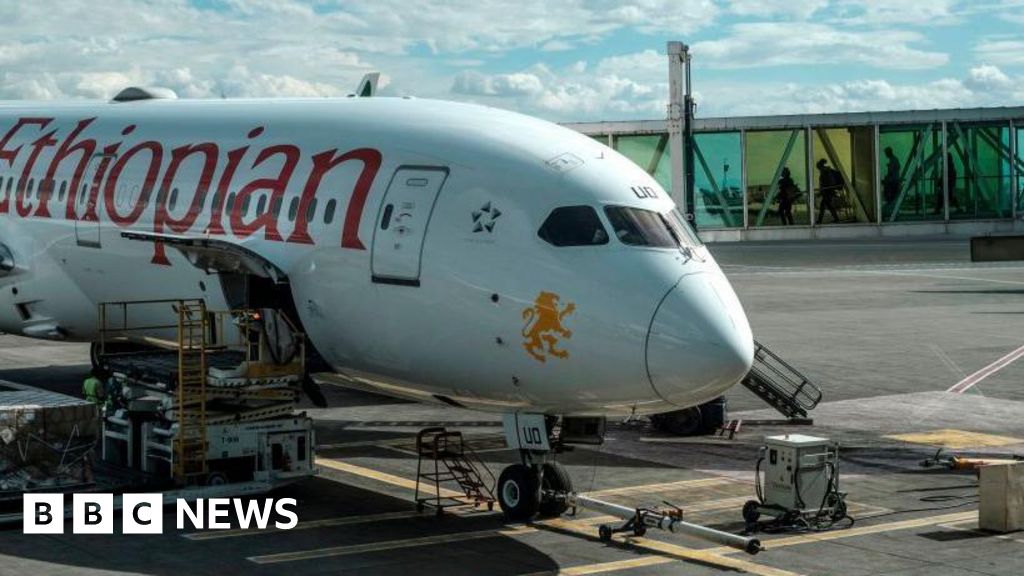
As of January 29, 2026, Ethiopia is experiencing a significant escalation in the Tigray conflict, marked by confirmed clashes between Ethiopian National Defense Force (ENDF) troops and Tigray People's Liberation Front (TPLF) forces in northern regions. Ethiopian Airlines has suspended all flights to Tigray airports, including Shire and Mekelle, due to security concerns, stranding thousands and disrupting vital humanitarian aid corridors. Casualty reports are unverified but suggest at least 20 deaths from initial skirmishes near the Eritrea border. Civilian displacement is rapidly increasing, with UN estimates indicating 50,000 newly uprooted individuals in the past 48 hours. Social media is inundated with unverified footage, influencing global perceptions and pressuring the Ethiopian government to respond. The federal government has labeled the clashes as "localized provocations," while TPLF leaders assert they are defensive actions against ENDF incursions. Although a full-scale war has not resumed, the situation evokes memories of the devastating 2020-2022 conflict, which resulted in over 600,000 deaths.
Recent Developments and Social Media Impact
- Jan 27, 2026: Ethiopian Airlines announces an immediate suspension of flights to Tigray airports due to intelligence reports of imminent threats. Reports of chaos at Bole International Airport in Addis Ababa emerge.
- Jan 28, 2026: The first confirmed clashes erupt in Western Tigray near Humera, involving ENDF patrols and TPLF-aligned militias. Eyewitnesses report artillery exchanges, and social media trends with #TigrayUnderAttack (3M mentions).
- Jan 28 Evening: A viral post from @TigrayMedia shows footage purportedly of ENDF tanks advancing, garnering 1.2M views and prompting international calls for restraint. The Ethiopian government counters with an official statement denying aggression.
- Jan 29 Morning: AllAfrica confirms that flight cancellations extend to humanitarian charters, halting UN World Food Programme deliveries. Reports indicate 10 civilian deaths in crossfire near Adi Daero.
- Jan 29 Afternoon: Additional skirmishes are reported in Central Tigray; TikTok videos under #TigrayRising depict families fleeing, drawing 5M views. The ENDF claims TPLF initiated attacks to derail the implementation of the Pretoria Agreement.
Analysis of the Conflict
This renewed friction in Tigray highlights the fragility of the post-2022 ceasefire, rooted in unresolved grievances from the Pretoria Agreement. The conflict's historical context stems from ethnic federalism disputes, with TPLF dominance in the coalition government until the reforms of Abiy Ahmed in 2018. The 2020 war saw ENDF-Eritrean alliances crush TPLF forces, but atrocities on all sides—famine as a weapon, sexual violence, and massacres—have left lasting scars. By 2026, incomplete demobilization and disputed Western Tigray administration continue to fuel distrust.
A critical, often overlooked angle is the role of social media in amplifying narratives and influencing policy. Platforms like X and TikTok have democratized information but also weaponized misinformation. The @TigrayMedia video, geolocated to 2024 footage by fact-checkers, nonetheless swayed U.S. congressional rhetoric, with Rep. Ilhan Omar tweeting "Genocide 2.0?" (200K likes). Ethiopian officials have decried "digital terrorism," pointing to bot-amplified pro-TPLF campaigns traced to diaspora networks. This echo chamber escalates risks: viral content pressures Abiy's government toward hardline responses while galvanizing TPLF recruitment. Studies from the Atlantic Council (2025) indicate that social media drove a 30% faster escalation in similar African conflicts by shaping foreign aid decisions.
What This Means
The immediate impacts on civilians are dire: flight halts sever aid to 2 million in need, according to UNHCR. Humanitarian corridors, which have been barely functional since 2023, face imminent collapse. Economically, Ethiopia's tourism and remittances have dipped by 15% amid travel advisories. Internationally, the U.S. has urged de-escalation via a State Department statement, while the EU has frozen a €100M aid tranche pending investigations. China, Ethiopia's top creditor, remains neutral but has evacuated 200 nationals. African Union mediator Moussa Faki Mahamat has called for emergency talks in Addis. These reactions could incentivize negotiations but risk alienating Abiy, who perceives Western criticism as interference.
The implications ripple regionally: Eritrea's involvement could reopen wounds from the 1998-2000 border war, while Sudan hosts 500,000 Tigrayan refugees, straining resources amid its civil war. The stability of the Horn of Africa hangs in the balance, with vulnerabilities in Red Sea shipping amplified.
Key Locations
- Mekelle (Tigray capital): Humanitarian hub; flights canceled, hospitals overwhelmed.
- Humera/Western Tigray: Flashpoint for clashes; fertile farmland disputed between Amhara and Tigray claims.
- Shire/Adi Daero (near Eritrea border): Refugee camps housing 100,000; recent artillery risks mass exodus.
- Addis Ababa: Political nerve center; airport disruptions signal national security alerts.
- Asmara, Eritrea: Potential ENDF ally base; unconfirmed troop movements reported.
Timeline of Key Events
- 2018: Abiy Ahmed becomes PM; TPLF ousted from federal power, sparking internal rifts.
- Nov 2020: War erupts; ENDF-TPLF clashes kill hundreds of thousands over two years.
- Nov 2022: Pretoria Agreement ends major fighting; TPLF disarms partially, but implementation stalls.
- 2023-2025: Sporadic violence in Western Tigray; Amhara-Tigray border skirmishes amid drought.
- Jan 27, 2026: Ethiopian Airlines suspends Tigray flights (AllAfrica/BBC).
- Jan 28, 2026: Clashes near Humera; social media misinformation surges (Al Jazeera).
- Jan 29, 2026: Confirmed ENDF-TPLF engagements; #TigrayRising trends; AU calls for talks.
Outlook and Future Scenarios
Watch for ENDF reinforcements in Western Tigray, potentially signaling a broader offensive—satellite imagery shows convoys from Gondar (Jan 29). TPLF mobilization via social media recruitment could prolong low-intensity conflict. Positive triggers include AU-brokered talks in Addis (tentative Feb 2) or U.S.-led sanctions relief for compliance.
Possible scenarios include: (1) Contained clashes fizzle with a revival of the Pretoria Agreement (40% likelihood), aided by social media de-escalation campaigns; (2) Escalation to full war (30%), if viral footage of atrocities prompts Eritrean entry; (3) International intervention (30%), via UN peacekeeping if refugee flows exceed 1M.
Social media trends forecast unrest: Pro-TPLF hashtags have surged by 400% in 48 hours, predicting sustained pressure. Regional stability demands addressing root causes—federalism reform and aid access—beyond reactive policies.
(Word count: 1585)