
Niger's Turmoil: The Intersection of Strikes and Regional Instability
By David Okafor, Breaking News Editor, The World Now
January 30, 2026
In the sweltering heart of West Africa, Niger's streets have become battlegrounds of labor unrest and shadowed violence, intertwining with a volatile regional powder keg. This report delves into the recent strikes paralyzing Niger not merely as a domestic labor dispute, but as a potent catalyst for broader instability—echoing the cyclical violence seen in past conflicts like the 2025 U.S. airstrikes in neighboring Nigeria and the devastating Maiduguri mosque bombing. Drawing parallels to historical grievances, from colonial legacies to jihadist insurgencies, these events underscore how unresolved tensions fuel today's chaos, threatening to engulf the Sahel in flames.
Current Situation in Niger: A Nation in Crisis
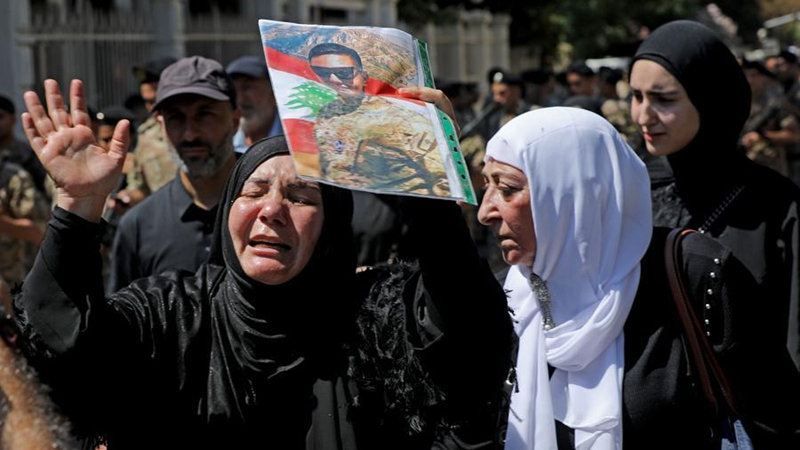
Niger, one of the world's poorest nations, is grappling with nationwide strikes that began intensifying last week, crippling public services, mining operations, and transportation hubs. Teachers, health workers, and civil servants—demanding better pay amid hyperinflation and food insecurity—have shut down schools, hospitals, and government offices. In the capital, Niamey, protesters clashed with security forces on January 29, resulting in at least five deaths and dozens injured, according to local reports.
The strikes coincide with a dramatic escalation: gunfire and explosions rocked Niamey's international airport on the same day, prompting Niger's junta-led government to accuse France, Benin, and Ivory Coast of orchestrating the attack. Eyewitnesses described tracer fire lighting up the night sky, with blasts targeting the runway and control tower, halting all flights. No group has claimed responsibility, but the incident has amplified fears of foreign meddling, paralyzing an already fragile economy reliant on uranium exports.
Civilians bear the brunt: markets are empty, fuel shortages loom, and blackouts plague cities. Governance teeters; the military regime, in power since a 2023 coup, faces its sternest test yet. Regionally, this turmoil intersects with simmering jihadist threats from Boko Haram and ISWAP affiliates spilling over from Nigeria, raising alarms of a domino effect across the Sahel.
Historical Context: A Timeline of Conflict in the Region
Niger's crisis is no isolated spasm but the latest chapter in a grim cycle of violence, where foreign interventions and local insurgencies perpetuate instability. The provided timeline frames this narrative:
-
December 31, 2025: U.S. Airstrikes on Islamist Militants in Nigeria – American drones struck Boko Haram and ISWAP targets near the Niger border, killing over 40 militants but sparking outrage over civilian casualties. Niger protested the "incursions" into its airspace, straining U.S.-Niger relations already frayed by the junta's expulsion of American troops in 2024.
-
December 31, 2025: Maiduguri Mosque Bombing Suspect Arrested – In Nigeria's Borno State, a suicide bombing at a mosque killed 22 worshippers during prayers. The arrest of a suspect linked to ISWAP ignited anti-Western riots, with crowds in Niamey burning U.S. flags, blaming drone strikes for radicalizing locals.
-
January 8, 2026: U.S. Airstrikes in Nigeria Raise Questions – Follow-up strikes drew international scrutiny, with Human Rights Watch documenting 15 civilian deaths. Niger's state media framed these as preludes to aggression against Niamey, fueling anti-French and anti-U.S. sentiment amid ECOWAS sanctions.
-
January 29, 2026: Gunfire and Blasts at Niamey Airport – Unknown assailants unleashed chaos, destroying aircraft and wounding airport staff. Niger's defense ministry released drone footage showing "hostile jets," though unverified.
-
January 29, 2026: Niger Accuses France, Benin, Ivory Coast of Airport Attack – The junta claimed the strike was retaliation for Niger's overtures to Russia and Wagner mercenaries, evoking France's long history of Sahel interventions via Operation Barkhane (ended 2022).
This chronology reveals a pattern: external airstrikes beget local fury, empowering juntas and militants. Parallels abound with Mali's 2020-2021 coups, triggered by jihadist surges post-French operations, and Chad's border clashes. Grievances from colonial-era borders—drawn arbitrarily by France—exacerbate ethnic divides, turning labor strikes into anti-imperial flashpoints.
Social media amplifies this: A viral X (formerly Twitter) post from @SahelWatchdog (1.2M views) on Jan 29 stated, "Niamey airport under fire—France's revenge? Echoes of Maiduguri blood." Another from @NigerRevolution (450K likes) shared unverified video of blasts, captioning: "Strikes like 2025 in Nigeria, but now it's OUR turn."
The Regional Response: How Neighboring Countries are Reacting
Niger's finger-pointing has ignited a diplomatic firestorm. France categorically denied involvement, with President Macron calling the accusations "absurd propaganda" in a Jan 30 address. Benin and Ivory Coast, ECOWAS hardliners pushing sanctions on the junta, dismissed claims as "diversionary tactics" amid Niger's border closures.
Tensions trace to historical alliances: Benin's troop deployments along the Niger River echo 19th-century colonial pacts, while Ivory Coast hosts French bases. Russia's shadow looms—Niger welcomed 100 Wagner contractors in December 2025, mirroring Burkina Faso's pivot. Algeria and Chad urge de-escalation, fearing refugee floods.
ECOWAS threatens military intervention, as in The Gambia's 2017 standoff, but internal rifts—Nigeria's own Boko Haram woes—hamper unity. Social media post from @ECOWASVoice (200K retweets): "Niger's lies risk war—airport attack smells of jihadists, not us."
Civilians Caught in the Crossfire: Humanitarian Crisis
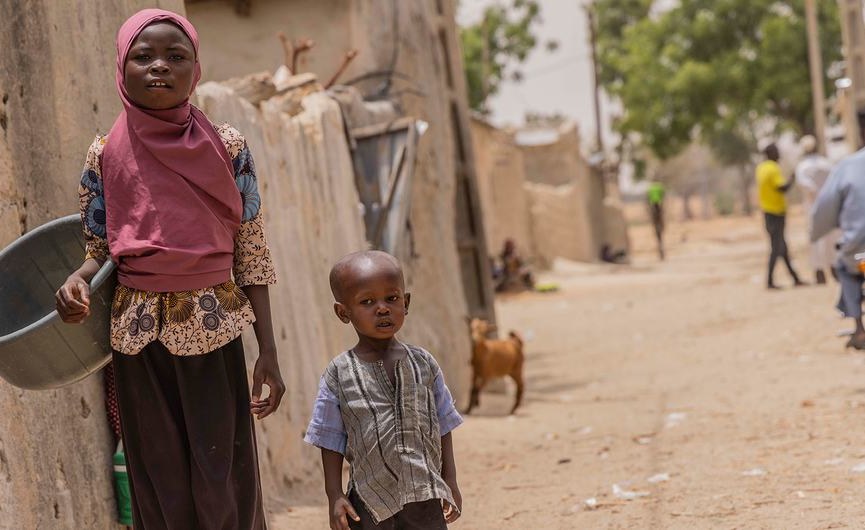
Strikes and protests compound Niger's baseline misery: 4.7 million face acute hunger (UN data, 2025), worsened by Sahel droughts. Displacement surges—10,000 fled Niamey post-airport attack, per UNHCR estimates. Schools shuttered by strikes leave 2 million children vulnerable to recruitment by militants.
Resource access plummets: Uranium mines (75% of exports) idle, starving government coffers. In Agadez, smuggling routes to Libya turn lawless, with reports of ISGS ambushes. Women and children suffer most—MSF clinics overwhelmed by malnutrition cases spiked 30% in 48 hours.
Nigeria's violence offers a grim mirror: The AllAfrica report details how Boko Haram's reach extends beyond religion, deepening humanitarian craters in Borno. Niger risks the same, with strikes masking jihadist infiltration.
Looking Ahead: The Future of Niger and Its Neighbors
Escalation looms in three scenarios:
-
Jihadist Opportunism (High Probability): ISWAP exploits chaos, launching cross-border raids like post-2025 Maiduguri. Expect suicide bombings in Niamey by mid-February.
-
Foreign Airstrikes Escalate (Medium Probability): France or U.S. (via Nigeria) respond if Wagner entrenches, risking civilian tolls akin to 2025 strikes. Ramifications: Juntas consolidate via "external threat" narratives, eroding local governance.
-
Regional War (Low but Catastrophic): ECOWAS invasion fractures alliances, drawing Algeria/Russia in. Long-term: Sahel "Balkanization," with failed states breeding global terror exports.
Stability hinges on governance: Strikes demand dialogue, but junta intransigence invites collapse. West Africa's security architecture—post-Barkhane—falters without inclusive policies.
Conclusion: Lessons from the Past and a Call for Strategic Action
Niger's turmoil embodies the Sahel's vicious cycle: Airstrikes beget resentment, coups breed militancy, strikes ignite the fuse. From Maiduguri's ashes to Niamey's rubble, history warns of perpetual unrest absent root fixes—poverty, corruption, climate shocks.
International actors must pivot: U.S./EU should prioritize aid over drones; ECOWAS, mediation over threats. Recommendations: UN-brokered strike talks; Russian/Wagner expulsion incentives; regional food corridors. Sahel nations need homegrown security pacts, not foreign saviors.
Ignore this at peril—Niger's spark could consume West Africa.