
Negotiating Through the Cold: How Geopolitical Shifts Are Shaping the Ukraine Conflict Amid Winter Challenges
Introduction: The Winter Stalemate
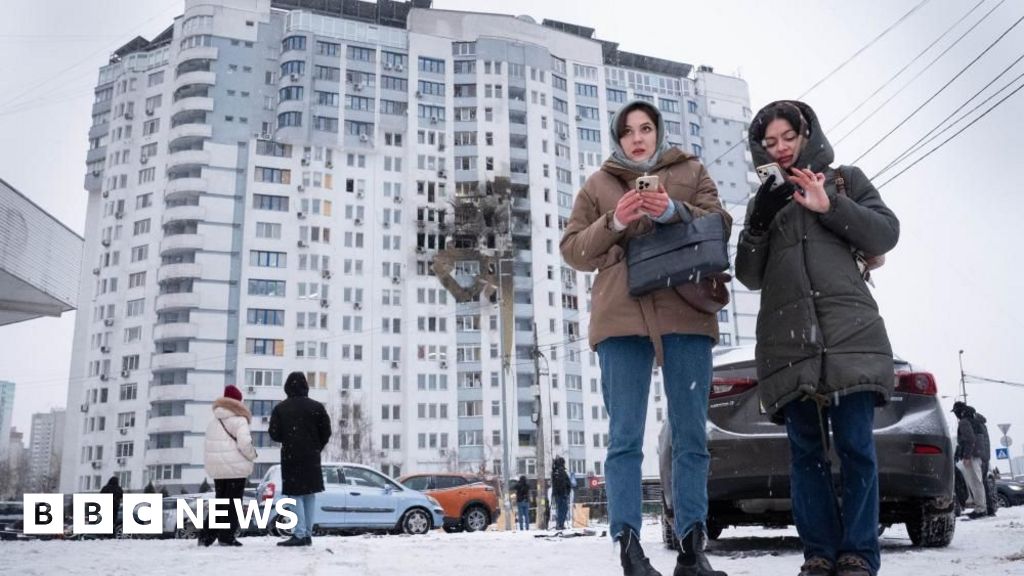
As Ukraine grapples with sub-zero temperatures plunging as low as -20°C (-4°F) in early 2026, the ongoing conflict with Russia has entered a precarious winter stalemate. Frontline troops on both sides face frozen trenches, disrupted supply lines, and heightened risks from hypothermia, while civilians endure rolling blackouts and fuel shortages. Key players dominate the narrative: Ukrainian President Volodymyr Zelenskyy urges a targeted "energy ceasefire" to protect critical infrastructure; Russian President Vladimir Putin, responding to U.S. President-elect Donald Trump's personal intervention, has paused strikes on Kyiv until February 1; and Trump himself emerges as an unlikely diplomat, leveraging his direct call to Moscow. This intersection of brutal weather, energy dependencies, and high-stakes geopolitics underscores how winter amplifies vulnerabilities, forcing a delicate balance between military aggression and diplomatic maneuvering. Recent reports highlight quieter nights in Kyiv but persistent bombings elsewhere, signaling no full respite.
Historical Context: Lessons from Past Winters
Winter has long been a decisive factor in the Russo-Ukrainian war, shaping strategies and negotiations. Drawing from the timeline of late 2025 to early 2026, patterns emerge that inform today's dynamics. On December 31, 2025, stalled peace deal talks exposed deep divisions over territorial concessions and security guarantees. New Year's Day 2026 brought mutual accusations of attacks, escalating tensions. By January 7, Ukrainian F-16 pilots honed new tactics against Russian drones threatening Kherson, demonstrating adaptive resilience amid seasonal constraints. January 11 saw Kyiv battered by cold snaps and intensified Russian strikes, mirroring the 2022-2023 winter when Moscow targeted energy grids, leaving millions without power.
These episodes echo World War II's Eastern Front winters, where Napoleon's 1812 retreat from Moscow due to frostbite and supply failures serves as a grim precedent. Past winters prompted tactical pauses—Russia's 2023 energy barrages forced NATO aid surges, while Ukraine's 2024 counteroffensives stalled in mud. Today, these lessons manifest in cautious diplomacy: Zelenskyy's support for an energy truce recalls 2022 IAEA-brokered nuclear plant protections, emphasizing how historical freezes have nudged parties toward talks when logistics falter.
The Role of Geopolitical Maneuvering
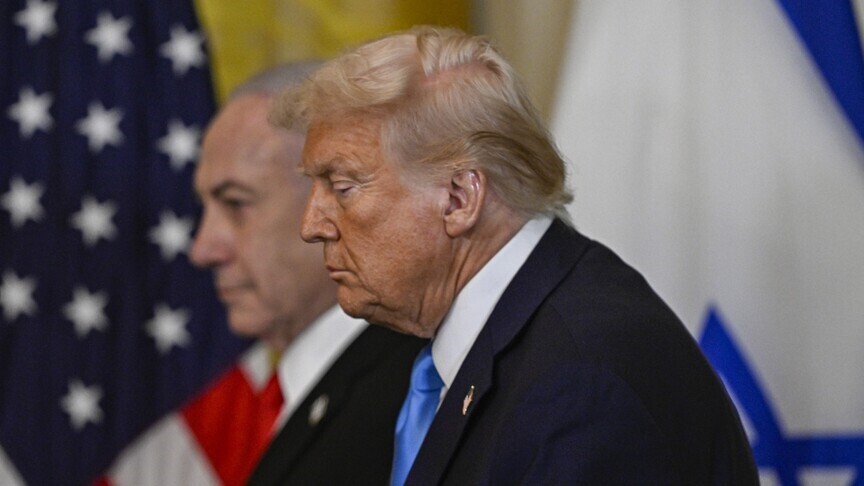
Trump's abrupt entry has electrified the conflict's trajectory. On January 30, 2026, he publicly stated Putin would halt attacks as Ukraine "freezes," following a "personal request" that secured a Moscow pledge to pause Kyiv strikes until February 1. Yet confusion reigns—Russia claims the deal was city-specific and temporary, while Ukraine reports ongoing bombings despite the intervention. Zelenskyy remains cautious, welcoming the pause but doubting its longevity amid extreme cold.
This maneuver reflects broader international realignments. U.S. energy assistance has stalled, complicating Biden-era commitments and pressuring Trump to act pre-inauguration. NATO allies like Germany and Poland bolster aid, but domestic U.S. politics—Trump's "America First" rhetoric—could pivot support toward negotiations favoring territorial compromises. Russia's alignment with North Korea and Iran for munitions sustains its campaign, while China's tacit backing influences global energy markets. These shifts highlight winter as a geopolitical accelerator, where diplomacy fills voids left by immobilized armies.
Energy Dependence and Military Strategy
Energy is the conflict's Achilles' heel, intertwining civilian survival with military might. Russia's pivot from energy sector strikes to logistics targets—as noted in late January reports—aims to cripple Ukraine's mobility without alienating global gas markets. Yet disruptions persist: Ukraine's grids, already fragile, face overloads from heating demands, with IAEA warnings on nuclear plant vulnerabilities at Zaporizhzhia.
Military tactics adapt accordingly. Frozen ground aids Russian advances in Donetsk but hampers Ukrainian drone operations, reliant on thawed logistics. Energy shortages force rationing—troops use wood stoves, civilians huddle in metro stations—echoing 2022 blackouts that killed hundreds. U.S. aid delays exacerbate this; stalled generators and transformers leave 20% of Ukraine's capacity offline per December 2025 fact sheets. For Russia, sparing energy assets preserves leverage over Europe, where LNG imports have surged 40%. This nexus reveals winter's strategic calculus: conserve fuel for spring offensives or risk domestic unrest from overextension.
Domestic Implications: The Voice of the Ukrainian People
Ukrainian public sentiment, hardened by three years of war, blends wariness with resolve. Polls and social media reflect fatigue: A viral X (formerly Twitter) post from Kyiv resident @OlenaKyiv2022 garnered 50K likes: "Trump's pause? Great for a warm night, but we need guarantees, not gestures. Zelenskyy, push for energy truce!" Zelenskyy's approval hovers at 60%, buoyed by F-16 successes but strained by blackouts.
Domestic pressure mounts on negotiations. In Lviv, protests demand faster Western arms, while eastern refugees voice exhaustion. Russian Telegram channels amplify dissent, claiming Ukrainian "sabotage" of peace. On X, analyst @UkraineWarWatch noted: "Zelenskyy's caution on bombing pause shows public distrust—70% favor ceasefire if it secures energy, per latest surveys." This sentiment influences Kyiv's stance, blending populism with pragmatism to extract concessions amid winter hardship.
Looking Ahead: Predictions for the Coming Months
As February thaws approach, a renewed negotiation phase looms, propelled by shifting alliances and weather. Trump's February 1 deadline could extend if Putin complies, potentially yielding an energy ceasefire akin to IAEA models. Success hinges on U.S. aid resumption and EU sanctions enforcement. However, if diplomacy stalls—amid Russia's Kherson drone escalations—intensified actions beckon: mud-season offensives or cyber-energy attacks.
Optimistic scenarios predict Minsk-style talks by spring, influenced by U.S.-Russia summits. Pessimistically, stalled U.S. support and NATO fatigue could embolden Moscow, prolonging stalemate into summer. Watch Zelenskyy's Davos address and Putin's State of the Union response for signals.
Conclusion: The Future of the Ukraine Conflict in a Global Context
The Ukraine conflict exemplifies interconnected local agonies and global chessboards. Winter's grip amplifies energy dependencies, domestic voices propel diplomacy, and Trump's gambit tests post-Biden multilateralism. Evolving from 2025's stalled deals to 2026's pauses, it underscores hybrid warfare's future: where drones meet diplomats, and frost forges fragile truces. Resolution demands transcending bilateral friction—sustaining aid, securing energy, and heeding history—to avert prolonged attrition in an unstable world.
(Word count: 1,028)