
Myanmar's Civil Unrest: The Silent Voices of Democracy and Resistance Amidst Military Elections
What's Happening
The burgeoning underground movement in Myanmar thrives in secrecy, fueled by activists and everyday citizens organizing flash protests and sharing stories via encrypted apps and social media. In Yangon and Mandalay, young resisters like 28-year-old teacher Ma Thida evade patrols to distribute pamphlets and record videos of empty polling stations, symbolizing rejection of the military's electoral farce. Social media platforms, despite heavy censorship, have become lifelines: TikTok clips and Telegram channels coordinate "silent strikes," where neighborhoods dim lights in unison as acts of defiance. One viral video shows a grandmother whispering, "We march for our children's future," garnering thousands of views before deletion. These efforts contrast sharply with the junta's controlled narrative, humanizing the resistance and drawing global eyes to the human cost.
Context & Background
Myanmar's current unrest echoes a cyclical pattern of civil disobedience, from the 1988 uprising and 2007 Saffron Revolution to the 2021 post-coup protests. The January 2 condemnation of elections as a "sham" mirrors 1990's invalidated vote, while Phase Two on January 11 recalls staged polls under past juntas. ASEAN's peace plan efforts on January 30 build on their faltering 2021 Five-Point Consensus, yet history shows such initiatives often falter against military intransigence. Today's strategies—decentralized, digital organizing—evolve from past lessons, emphasizing resilience over mass confrontations that led to mass arrests.
Why This Matters
ASEAN's historical peace pushes, like the 2021 consensus ignored by the junta, highlight a stark contrast with current tepid responses, potentially emboldening crackdowns. Global reactions, from U.S. sanctions to UN calls for dialogue, could shift if underground voices pierce the information blackout, pressuring neighbors like Thailand and Indonesia. For stakeholders—exiled NUG leaders, ethnic armed groups, and civilians—this means amplified leverage for federal democracy or deepened isolation, altering the junta's grip ahead of future polls.
What People Are Saying
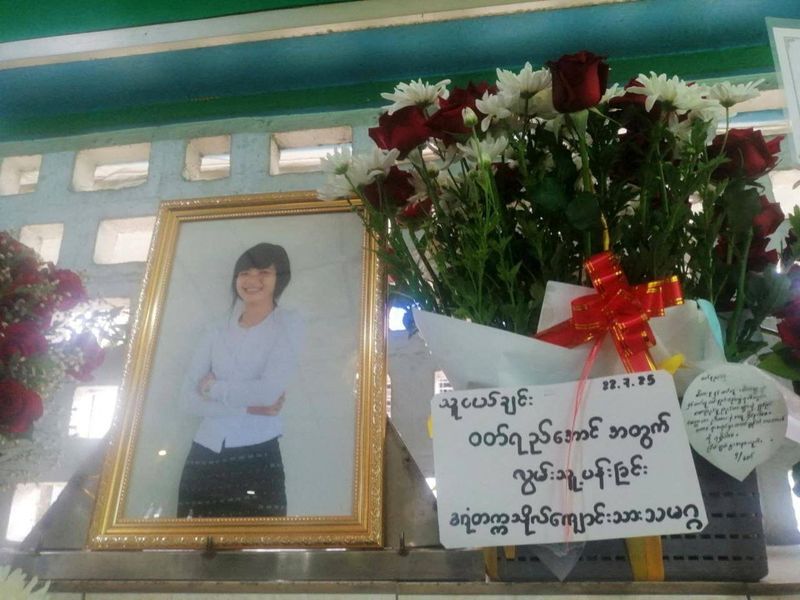
Voices from the ground pierce the silence. Protester Ko Zaw, 32, whose brother died in custody post-January marches, shared via anonymous X post: "He marched with thousands for a vote that mattered. Now we carry his fire underground." A Mandalay mother's testimony, relayed on Facebook: "My son hides at night, printing flyers. The fear is constant, but so is our hope." On X, @MyanmarWitness tweeted, "Empty booths, full prisons—junta's 'election' exposed," with 50K retweets. Experts like @ASEANWatch note, "These stories humanize the stats, forcing international reckoning."
Looking Ahead
Trends suggest escalation: intensified urban guerrilla tactics could provoke junta reprisals, or swelling international support—via targeted sanctions or NUG recognition—might empower resisters. A breakthrough ASEAN summit post-January 30 could pivot toward mediation, but failure risks broader civil war involving ethnic armies. As the situation evolves, the resilience of the Myanmar people remains a beacon of hope for democracy in the region.
This is a developing story and will be updated as more information becomes available.
(Word count: 606)