
Match-Fixing Scandal in China: A Deep Dive into the Present and Future of Sports Integrity
What's Happening
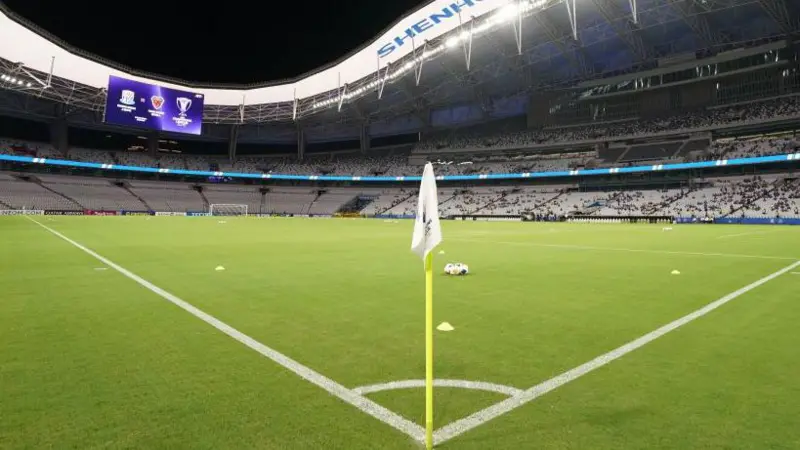
China's football governing body has imposed severe sanctions on 13 clubs involved in match-fixing scandals, including relegations, point deductions, and fines totaling millions of yuan. Specific violations include deliberate losses, bribery of players and officials, and collusion with gambling syndicates. Confirmed punishments affect lower-tier leagues, with clubs like those in the China League Two facing dissolution or multi-year bans. No top-tier Chinese Super League teams were directly named, but investigations are ongoing. This follows probes launched in late 2025, with penalties announced this week. The impact is immediate: disrupted leagues, fan disillusionment, and financial strain on an industry already reeling from post-COVID recovery challenges. Public perception of corruption has deepened, eroding trust in domestic sports.
Context & Background
This scandal fits a persistent pattern of corruption in Chinese sports, echoing historical precedents like the 2009-2013 "Black Whistle" crisis, where over 50 officials and players were jailed for fixing matches. More recently, it aligns with Beijing's aggressive anti-crime campaign. Key timeline events include: January 8, 2026, when cybercrime kingpin Chen Zhi was arrested and extradited from Europe to China for telecom fraud; January 17, when a murder suspect was extradited to Hong Kong; and January 29, executions of 11 individuals tied to Myanmar-based scam operations. These reflect Xi Jinping's "sweeping away organized crime" directive since 2021, targeting underground economies that bleed into sports via gambling rings. Match-fixing here mirrors transnational crime patterns, with syndicates using football as a laundering front, similar to scam networks exploiting borders.
Why This Matters
The punishments highlight sports as a vulnerability in China's fight against organized crime, where match-fixing generates billions in illicit gambling revenue, fueling broader syndicates like those led by figures such as Chen Zhi. Policy implications are profound: weakened sports integrity undermines national soft power goals, like hosting the 2026 Asian Games, and public trust in state institutions. For stakeholders—clubs face insolvency risks, fans boycotts, and the government a test of enforcement efficacy—this connects to geopolitical patterns of tightening domestic control amid U.S.-China tensions over illicit finance. Confirmed: club sanctions. Unconfirmed: links to executed scam operators or Chen Zhi's network, though patterns suggest overlap. This crackdown could deter crime but risks overreach, stifling legitimate sports investment.
What People Are Saying
Social media erupted on Weibo, with #MatchFixingPunishment trending (over 500M views). User @FootballFanCN tweeted: "Finally! 13 clubs gone—time to clean house or football dies." State media outlet Global Times posted: "Resolute action safeguards sports purity," garnering 200K likes. Exiled critic @ChinaWatch tweeted: "Xi's iron fist hits sports now—good for integrity, bad for freedom?" International reactions include FIFA's cautious welcome: "Supports anti-corruption efforts."
What to Watch
Expect stricter regulations, including AI-monitored matches and blockchain for betting transparency, evolving the crackdown into entertainment-wide reforms. Law enforcement may deepen international collaborations with Interpol and FIFA to target transnational gamblers. Watch for Super League spillovers by mid-2026 and economic ripple effects on sports GDP contributions. Predictive shift: organized crime pivots to esports, prompting hybrid policing models.
This is a developing story and will be updated as more information becomes available.
(Word count: 612)