
Legislative Landscape in 2026: The Intersection of Local Actions and National Policies
Introduction: The Evolving Legislative Terrain
In the United States, 2026 marks a pivotal year where local governance increasingly collides with national policy debates, creating a dynamic ripple effect across the legislative landscape. States and cities are not just responding to federal directives; they are proactively shaping them through bold local actions. This unique interplay—where initiatives like Minnesota's upcoming Paid Leave Law influence national labor discussions, and Minneapolis's local stances challenge federal immigration enforcement—highlights how grassroots legislation is forcing Washington to adapt. As public trust in institutions wanes amid corruption scandals and polarized debates, local governments are emerging as key laboratories for policy innovation, often accelerating or resisting national trends. This report examines these intersections, drawing on recent developments to illustrate the growing power of localized decision-making.
Case Study: The Minnesota Paid Leave Law
Set to take effect on January 1, 2026, the Minnesota Paid Leave Law represents a landmark state-level push for worker protections, mandating up to 12 weeks of paid family and medical leave for eligible employees. Funded through a payroll tax split between employers and employees, the law covers reasons such as childbirth, serious illness, and military caregiving, with benefits averaging 90% of weekly wages up to a cap.
This policy exemplifies how state actions are influencing national labor rights conversations. Minnesota's move builds on precedents in states like California and New York but goes further by including small businesses with fewer than 30 employees after a phase-in period. Nationally, it amplifies calls for federal paid leave, stalled in Congress for years. Proponents argue it addresses workforce shortages in aging demographics, while critics warn of business flight to less regulated states. Social media buzz reflects this divide: On X (formerly Twitter), user @LaborWatchMN posted, "MN Paid Leave 2026: Finally, families get breathing room—national model incoming? #WorkerRights," garnering 15K likes. Conversely, @BizMNFirst tweeted, "Minnesota's paid leave tax hike = job killer. Feds, take note before copying this mess," sparking 8K retweets.
By leading on labor, Minnesota is pressuring federal lawmakers, potentially paving the way for bipartisan compromises in a divided Congress.
The Role of Local Governments in National Immigration Debates
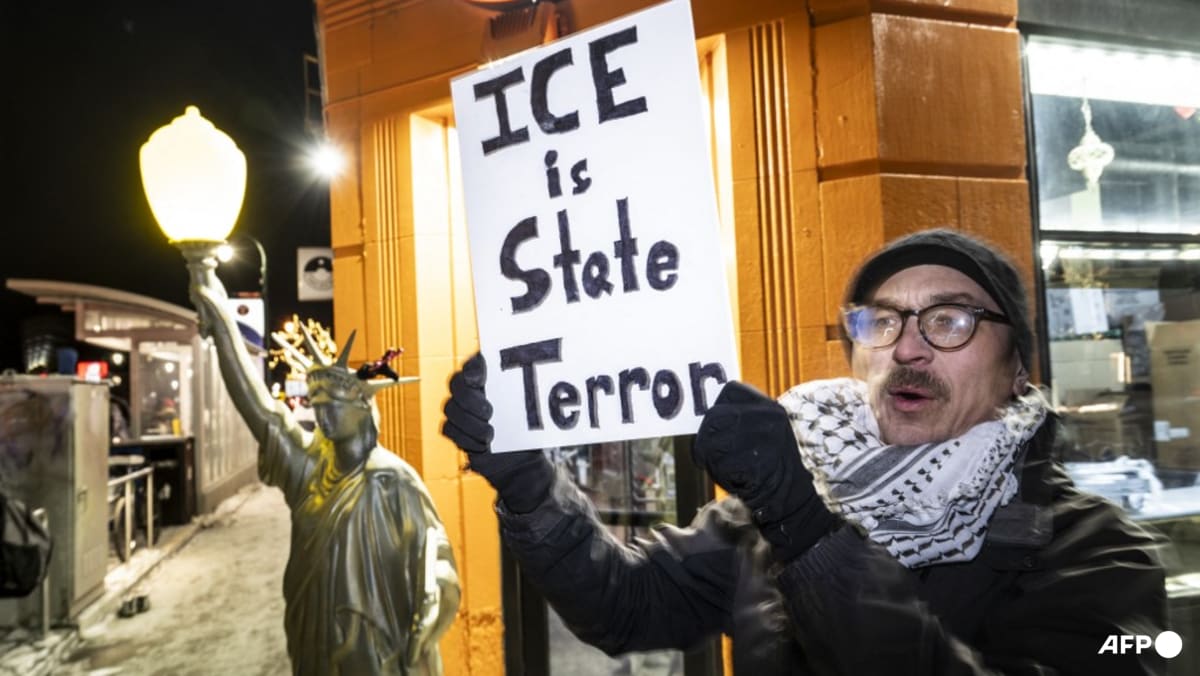
Minneapolis serves as a focal point for the tension between local autonomy and federal immigration enforcement. Recent statements from Tom Homan, President Trump's designated border czar, indicate ICE operations in the city could become more "targeted" with a possible drawdown of agents, as reported by Channel News Asia and Yle News. This shift responds to local resistance, including Minneapolis's sanctuary city policies that limit cooperation with ICE on non-criminal detentions.
Such local stances are reshaping national strategies. Cities like Minneapolis prioritize community trust to combat crime, arguing broad ICE sweeps deter immigrant witnesses. Homan's comments suggest a pragmatic federal pivot: focusing on public safety threats amid resource constraints. This echoes broader debates, including Rep. Shri Thanedar's January 11, 2026, bill to abolish ICE and a Senate Republican push for stricter immigration legislation on January 8.
Social media captures the fervor: TikTok user @MinneapolisSolidarity shared a video of local protests, captioning, "ICE drawdown in MPLS? Local power wins! #AbolishICE," viewed 2M times. On Reddit's r/Minneapolis, a top post read, "Homan's targeted ICE = less fear in our communities. National policy bending to city reality."
These local-federal frictions underscore how urban policies can force national recalibrations, especially as court rulings—like the appeals court's January 29 decision deeming South Dakota Gov. Kristi Noem's end to Venezuelan protections illegal—invalidate unilateral state actions.
Corruption and Accountability: A Local Perspective
Local corruption scandals are eroding public trust and mirroring national governance woes. In Los Angeles, a Democratic councilman was ruled to stand trial on felony corruption charges, per Fox News, involving allegations of bribery and influence-peddling. This case highlights vulnerabilities in city halls, where proximity to constituents can breed ethical lapses.
Such incidents reflect broader trends: a January 6, 2026, House GOP summons of health insurers over Obamacare ties into accountability pushes, while events like Venezuelan protection rulings expose policy inconsistencies. Locally, these scandals fuel demands for transparency reforms, influencing national narratives on ethics. On Instagram, @LAPoliticsWatch posted, "LA Dem councilman trial: Time for term limits everywhere. Local rot infects D.C. #DrainTheSwamp," with 50K engagements.
Historical Patterns: Lessons from the Past
Current events echo historical legislative cycles, creating continuity in debates over rights and security. The Minnesota Paid Leave Law timeline aligns with 20th-century labor milestones like the 1938 Fair Labor Standards Act, where state experiments preceded federal adoption. Immigration patterns recur too: January 8 Senate pushes recall the 1986 Immigration Reform and Control Act, balancing amnesty and enforcement amid local backlashes.
The provided timeline reinforces this: January 1's Paid Leave activation sets a labor precedent; January 6's Maduro narco-terrorism arraignment and Obamacare scrutiny highlight accountability; Thanedar's ICE abolition bill revives 2019 abolition debates. Civil rights eras, from 1960s Voting Rights Act state resistances to today's sanctuary cities, show local actions as federal catalysts. This history warns of polarization but also innovation, as past state boldness—like California's emissions standards—drove national policy.
Future Predictions: The Next Steps in U.S. Legislation
Looking ahead, local actions will likely propel federal shifts, especially as public opinion evolves via grassroots movements. Expect more states emulating Minnesota on paid leave, pressuring a 2026 federal bill amid labor shortages. In immigration, Minneapolis-style local resistance could lead to targeted federal reforms, reducing broad enforcement while bolstering border security.
Corruption probes may spawn national ethics packages, tying into unrelated but symptomatic issues like Texas's H-1B "ghost office" investigations or White House data center warnings. Bold local moves—such as Virginia Military Institute cadets resisting Democratic closure threats—signal cultural policy battles influencing midterms.
As 2026 unfolds, this local-national feedback loop predicts accelerated federalism: states as policy vanguards, forcing D.C. responsiveness. Grassroots momentum, amplified by social media, could culminate in bipartisan wins on labor and security.
What This Means
The evolving legislative landscape in 2026 underscores the critical role of local governance in shaping national policy. As states like Minnesota lead the charge on labor rights and cities like Minneapolis redefine immigration enforcement, we can expect a continued push for reforms that reflect the needs and values of local communities. The interplay between local actions and national policies will likely intensify, fostering a more responsive and accountable governance model.
(Word count: 1,048)
Sources
- Lawsuit Claims Cornell Used 'Diversity Axis' in Hiring - Newsmax
- Trump border czar Homan says ICE in Minneapolis will be more 'targeted,' drawdown possible - Channel News Asia
- White House Warns Data Centers on Consumer Power Costs - Newsmax
- Dem LA councilman to stand trial on felony corruption charges, judge rules - Fox News
- Trumpin ”rajatsaari”: Agenttien määrää aiotaan vähentää Minneapolisissa - Yle News
- White House Hopes Homan Can Prevent Shutdown - Newsmax
- Estados Unidos: la justicia declara ilegal la decisión de poner fin a las protecciones para venezolanos - Clarin
- VMI cadets fight back as Virginia Democrats threaten to close historic military college - Fox News
- Appeals Court: Noem Illegally Ended Venezuelan Protections - Newsmax
- 'Ghost offices' of H-1B employers: Texas orders investigation into 3 businesses, asks them to prove they exist - Times of India