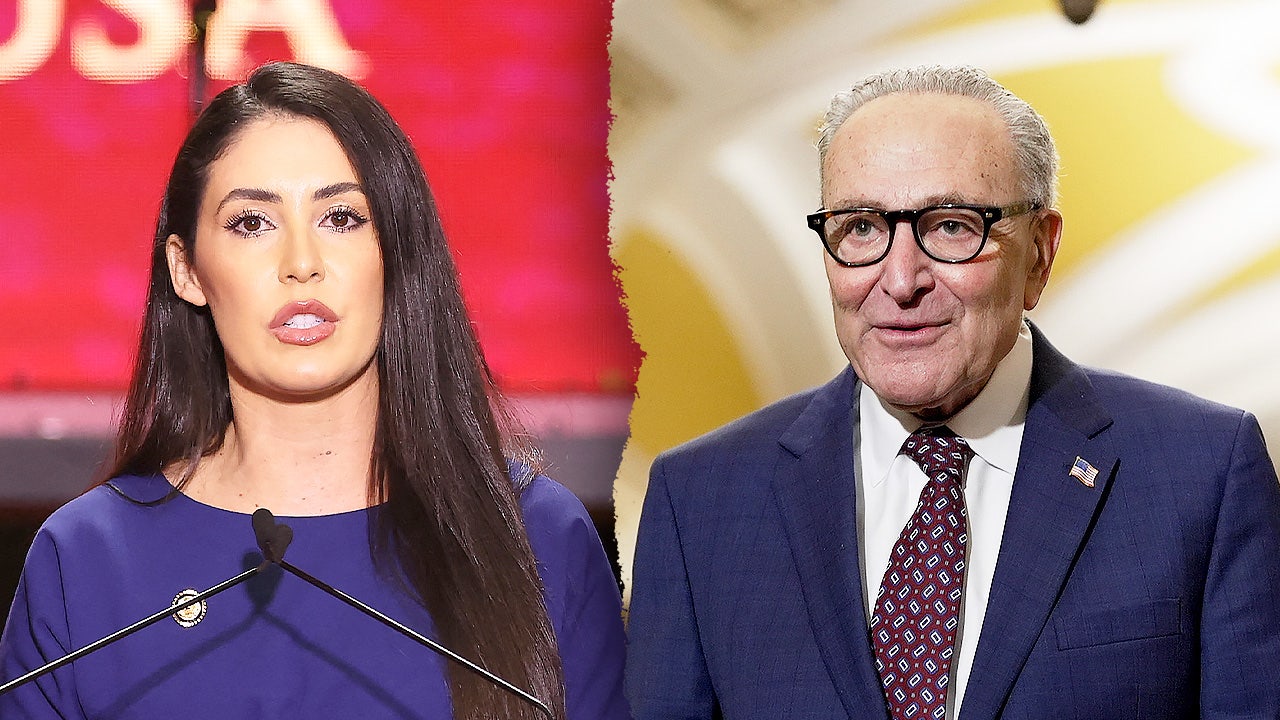

Legislation in Flux: How Recent Shutdown Threats Are Reshaping U.S. Policy Dynamics
The Current Legislative Landscape and Shutdown Threats
The U.S. Congress is under pressure as House conservatives, led by Rep. Randy Fine (R-FL), threaten a government shutdown unless their demands for election integrity reforms are addressed. Fine stated on Newsmax that a shutdown is "for sure," linking it to stalled spending bills. This escalation comes amid a series of legislative actions in early 2026, including House Republicans summoning health insurers over Obamacare concerns and Senate Republicans advancing immigration legislation.
These threats indicate a strategic pivot among House conservatives. Instead of opposing spending broadly, they are leveraging shutdown threats for specific wins, such as enhanced voter ID requirements and audits of election offices. This tactic is further illustrated by Kash Patel's defense of an FBI search in Georgia's Fulton County. Reports suggest conservatives are willing to extend disruptions beyond the deadline, betting on public fatigue regarding perceived election vulnerabilities. The implications are significant: delayed funding could halt non-essential services and complicate responses to critical events, reflecting a shift towards ideological purity over compromise.
Historical Context: Lessons from Past Shutdowns
Current shutdown threats draw parallels to significant past shutdowns, such as those in 1995-96 and 2013. The 1995-96 shutdown, driven by broader battles over Medicare and the balanced budget, lasted 21 days and resulted in $1.4 billion in lost productivity. Public backlash ultimately eroded Republican gains, leading to a significant drop in approval ratings for Speaker Newt Gingrich. Similarly, the 2013 shutdown, linked to Obamacare defunding, lasted 16 days and resulted in widespread furloughs and public discontent.
Today's dynamics differ markedly. Past shutdowns were lengthy fiscal battles; now, conservatives are using short, sharp threats as a form of "shock therapy" for niche issues like election security. Historical data suggests that prolonged standoffs can backfire, but conservatives appear to be calculating differently in a polarized environment where base turnout is prioritized over moderate appeal.
Impact on Local Legislation: A Case Study Approach
The paralysis at the federal level is prompting local responses, exemplified by Massachusetts' proposed bill to prevent out-of-state National Guard deployments. This legislation, introduced amid concerns over federal immigration and election enforcement, aims to protect state autonomy from perceived federal overreach. Such local measures reflect a growing trend where state legislatures proactively counter federal threats, complicating national policy responses and highlighting the local impact of shutdown threats.
Public Perception and Political Capital: The Fallout
Public sentiment regarding these shutdown threats is increasingly polarized, with potential electoral consequences. Recent polls indicate that 48% of independents view conservative tactics as "extreme." However, Republicans frame their actions as principled stands for election integrity. Social media amplifies these divides, with contrasting narratives emerging from both sides.
Politicians are leveraging these sentiments: conservatives are rallying donors around shutdown threats, while Democrats are portraying their opponents as obstructionists. As the midterms approach, the stakes are high for both parties.
Looking Ahead: Predictive Analysis of Legislative Trends
If shutdown threats continue, we can expect mixed outcomes. In the short term, there may be compromises on election measures to avoid a full closure, but this could entrench partisan divisions. Historical precedents suggest that prolonged shutdowns could lead to approval dips for Republicans, potentially benefiting Democrats in the upcoming midterms.
Key policy scenarios loom large, with election integrity possibly yielding bipartisan voter ID pilots, while immigration reform may stall amid ongoing debates. The normalization of brinkmanship could erode public trust in Congress and boost third-party appeals. As we approach February funding votes, the decisions made will significantly impact the legislative landscape leading into the 2026 elections.
By Yuki Tanaka, Tech & Markets Editor, The World Now
(Word count: 1,048)






