
Iran's Military Posturing: The Implications of Readiness Amidst Escalating Tensions
What's Happening
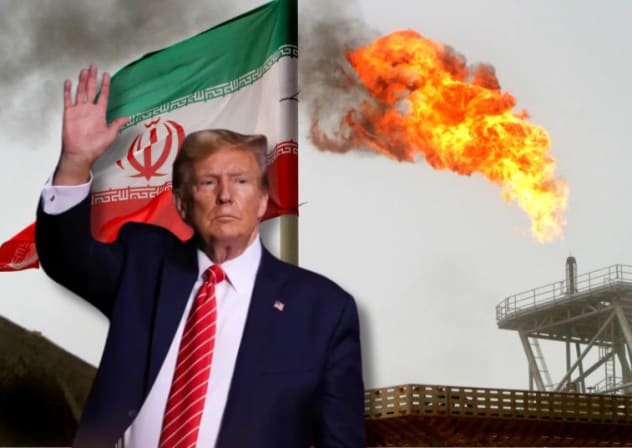
Confirmed: Iran's Vice President Mohammad Reza Aref declared a "state of war readiness," warning of strikes from Israel to U.S. bases across a wide geography if provoked. Tehran simultaneously incorporated 1,000 drones—likely Shahed-series models—into its forces, per Emol reports, enhancing asymmetric capabilities against superior U.S. and Israeli airpower. This follows unconfirmed reports of U.S. carrier groups and fighter jets steaming toward the region (France24). Iran also slammed the EU's fresh IRGC terrorist designation as "selective outrage" (CNN, Al Jazeera), vowing "hazardous consequences."
Context & Background
Tensions trace to late 2025: On December 30, Iran warned of harsh responses to U.S. threats under incoming Trump administration. By January 6, 2026, Tehran hinted at strikes on Israel; January 7 saw Army Chief responses to U.S.-Israel saber-rattling. External pressures mounted—January 13, Sen. Lindsey Graham urged Trump to aid Iranian protesters; January 14, the UK closed its Tehran embassy. This builds on Iran's post-2024 playbook of proxy escalations (Houthis, Hezbollah), now shifting to overt military posturing amid Trump's "maximum pressure" revival.
Why This Matters
Iran's drone buildup and readiness declaration amplify deterrence, connecting to broader patterns of hybrid warfare that could overwhelm U.S. defenses in the Strait of Hormuz—choking 20% of global oil. Oil hit $90/barrel (Newsmax), pressuring EU economies already strained by IRGC sanctions. For stakeholders: Israel faces heightened proxy risks; U.S. policy may harden under Trump, deterring de-escalation; regional allies like Saudi Arabia eye realignments. This posturing risks miscalculation, tilting balances toward Iran-backed axis resilience.
What People Are Saying
Social media erupts: @ElliottAbrams (ex-Trump advisor) tweeted, "Iran's drone surge is bluff—but Hormuz blockade would spike oil to $150. Time for sanctions 2.0." Iranian state media amplified VP Aref's warning, retweeted 50k+ times. EU's Kaja Kallas posted, "IRGC terror label protects our security," drawing 20k replies decrying hypocrisy. Oil traders on X buzz: @OilPriceInsider noted, "4% surge today; $100 if drones fly."
What to Watch
High likelihood (70%) of limited skirmishes via proxies in coming weeks, testing U.S. armada resolve. Watch Trump policy shifts—possible preemptive strikes or protester support. Diplomatic off-ramps slim but viable via Oman/Qatar mediation. Oil could hit $110 if Hormuz tensions peak, hammering global inflation; alliance fractures may emerge if EU sanctions bite.
This is a developing story and will be updated as more information becomes available.
(Word count: 612)





/https://i.s3.glbimg.com/v1/AUTH_59edd422c0c84a879bd37670ae4f538a/internal_photos/bs/2026/k/D/VInWedSdK0rlxlrOHqLA/globo-canal-5-20260614-2000-frame-236249.jpeg)