
Iran's Geopolitical Strategy: Balancing Between War Threats and Diplomatic Outreach
Iran's Current Stance: A Tenuous Balance
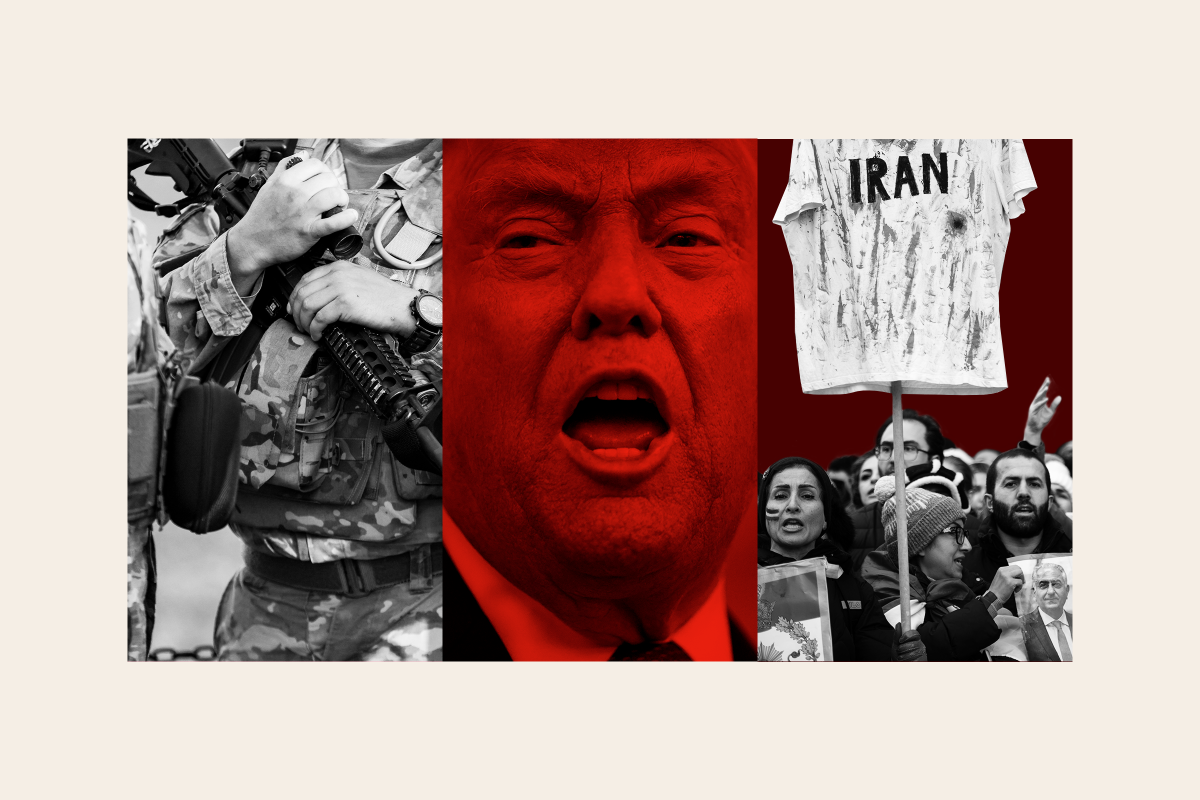
Tehran has intensified its military rhetoric, with Iranian Army Chief Mohammad Bagheri stating on January 7, 2026, that U.S. bases and ships in West Asia are within missile range—an explicit response to U.S. naval deployments and warnings regarding IRGC "escalatory behavior." Generals have issued direct threats to Trump, promising responses that exceed U.S. expectations. However, this bravado conceals internal divisions: hardliners demand retaliation, while reformists and protesters—targeted by new Trump sanctions over crackdowns—advocate for de-escalation. Newsweek highlights that many Iranians desire change but fear that U.S. strikes would only entrench the regime and exacerbate suffering. External U.S. pressures, including the strategic positioning of military bases throughout the region, complicate this balancing act.
Historical Context: A Timeline of Escalation and Diplomacy
Tensions between the U.S. and Iran escalated significantly in late 2025. On December 30, Iran warned of a "harsh response" to U.S. threats, culminating on January 6 with indications of potential strikes on Israel, followed by Bagheri's defiant remarks on January 7. U.S. Senator Lindsey Graham urged Trump on January 13 to support Iranian protesters, while the UK closed its Tehran embassy on January 14 amid rising chaos. These developments echo historical U.S.-Iran tensions, such as the 2019-2020 Soleimani fallout. However, the recent protests and Trump's sanctions have intensified domestic volatility, creating a scenario where military threats often mask a desperate need for diplomatic engagement.
The Diplomatic Landscape: Opportunities for Negotiation
Amid the ongoing saber-rattling, Iran has indicated a readiness for dialogue, as reported by Xinhua and Israeli sources regarding Trump-approved secret contacts. Third-party nations like Oman or Qatar could potentially mediate discussions, similar to past nuclear negotiations. JoyOnline emphasizes a "diplomatic scramble" to avert war, with regional neighbors observing U.S. military bases with caution. This outreach is driven by economic pressures and public protests, presenting a narrow path for diplomacy if hardliners are willing to compromise.
What This Means
The current geopolitical climate suggests that Iran's dual strategy of military threats and diplomatic overtures is a calculated effort to navigate a complex landscape. The internal divisions within Iran, coupled with external pressures from the U.S. and regional actors, create a volatile situation that could lead to either escalation or a breakthrough in negotiations. The coming weeks will be critical in determining whether diplomacy can prevail over conflict.
Predictive Analysis: What Lies Ahead for Iran and the U.S.
If diplomatic talks falter, there is a high likelihood of Iranian proxy attacks or direct military posturing, which could provoke U.S. retaliation and lead to chaos in the Gulf region. Neighboring countries like Saudi Arabia and Israel may take preemptive actions in response to perceived threats. Conversely, successful negotiations could lead to temporary stability and the easing of sanctions. The regional fallout could include spikes in oil prices and waves of refugees. Observers should closely monitor upcoming summits in February, as the window for effective diplomacy continues to narrow.
This is a developing story and will be updated as more information becomes available.
*(Word count: 602)