Iran's Calculated Retaliation: Navigating New Geopolitical Waters Amid U.S. Escalation
Key Developments
Amid escalating U.S. military deployments in the Red Sea, including the USS Delbert D. Black, Iran has issued stark warnings that any retaliation to American aggression would not be confined to U.S. targets alone—signaling a potential pivot to broader global strategies. This comes as President Trump hints at dialogue while boasting of naval power, raising stakes for regional stability and international alliances.
Current Situation
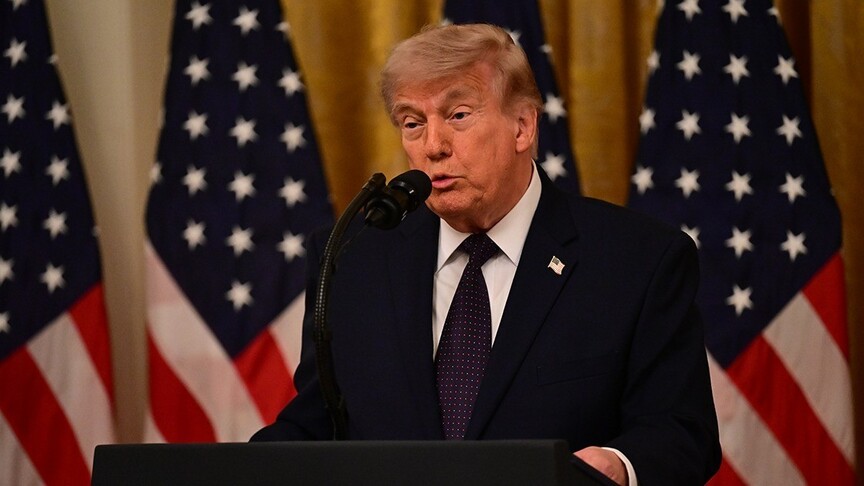
Confirmed: The U.S. destroyer Delbert D. Black has entered the Red Sea following the USS Abraham Lincoln, bolstering American presence amid tensions with Iran (Times of India). Iran’s foreign ministry stated retaliation to a U.S. attack "will not be limited," per Al Jazeera live updates. Trump warned Tehran of "very big, powerful ships" while expressing hope to avoid military action and openness to talks (Dawn, Channel News Asia, Yle). Unconfirmed: Specific Iranian strike plans remain speculative.
Context & Background
Iran's rhetoric echoes a tense timeline: On Dec. 30, 2025, it warned of a "harsh response" to U.S. threats; Jan. 6, 2026, hinted at strikes on Israel; Jan. 7 saw Army Chief responses to U.S.-Israel warnings. Recent EU labeling of Revolutionary Guards as terrorists and sanctions critiques (Dawn) compound pressures, mirroring past escalations like the 2019 tanker crises where Iran balanced proxy actions with restraint.
Why This Matters
Iran appears to be shifting from regional proxies to global maneuvering, leveraging alliances with Russia, China, and BRICS partners to counter U.S. isolation tactics. Economic strategies—highlighting sanctions' harm to civilians—could rally non-Western support, pressuring Europe via energy ties. U.S. deployments risk miscalculation, redefining power dynamics: Iran's broadened threats challenge American deterrence, potentially drawing in Gulf states or escalating via Houthis, while Trump's mixed signals test alliance cohesion.
What This Means
The current geopolitical landscape suggests that Iran's response to U.S. military actions could reshape regional alliances and provoke new diplomatic efforts. The potential for miscalculation remains high, with both sides needing to tread carefully to avoid escalation into direct conflict. The situation underscores the importance of dialogue and strategic communication to maintain stability in the region.
What People Are Saying
UN Secretary-General urges Iran-U.S. dialogue to avert "catastrophic consequences" (Yle). Iranian outlets decry EU moves as provocative (Dawn). On X, analyst @MiddleEastEye tweeted: "Iran's 'not limited' warning = game-changer; eyes on Beijing-Moscow axis." Pro-Trump user @RealGeoPol posted: "Big ships en route—Tehran blinks?" Experts like @IranExpert note: "Historical pattern: Threats precede diplomacy."
Looking Ahead
Likely scenarios: 60% chance of diplomatic overtures given Trump's comments, per patterns; 30% proxy escalation via Red Sea; 10% direct clash. Watch Iran-Russia/China summits for alliances, U.S. response to Houthi probes, and Oman-mediated talks. Regional stability hinges on diplomacy prevailing over military posturing.
This is a developing story and will be updated as more information becomes available.
(Word count: 600)