
Iran on the Brink: Analyzing the Nationwide Strike Amid Escalating Tensions
The Nationwide Strike: A Catalyst for Change
The strike, initiated on December 31, 2025, by grassroots coalitions of workers, students, and bazaar merchants, stems from acute socio-economic woes: hyperinflation exceeding 50%, fuel shortages, and subsidy cuts amid Western sanctions. Demands center on political reforms, including free elections and release of political prisoners, organized via encrypted apps like Signal to evade regime surveillance.
Tehran's response has been swift but restrained—deploying Basij militias for selective arrests while avoiding mass crackdowns to prevent martyrdom narratives. This tactical restraint underscores the strike's strategic value: paralyzing oil refineries and ports, it inflicts economic pain without direct confrontation, amplifying pressure as Iran eyes potential attacks by January 27, 2026. Confirmed participation spans 20+ provinces; unconfirmed reports suggest 40% workforce involvement.
Historical Parallels: Strikes and Consequences
This mirrors the 1979 Revolution's oil workers' strike, which crippled exports and forced the Shah's fall after 40 days. Then, as now, economic levers catalyzed political rupture—1979's action slashed GDP by 25%, paving regime change. Unlike 2019's fuel protests, crushed violently (1,500 deaths), the 2025 strike benefits from digital coordination and post-Gaza war disillusionment with proxy conflicts.
These parallels imply vulnerability: prolonged disruption could erode the Revolutionary Guard's (IRGC) patronage networks, echoing 1979's elite defections. Yet, modern surveillance tempers momentum, positioning the strike as a calibrated maneuver rather than revolutionary spark.
International Response: The Global Stakes
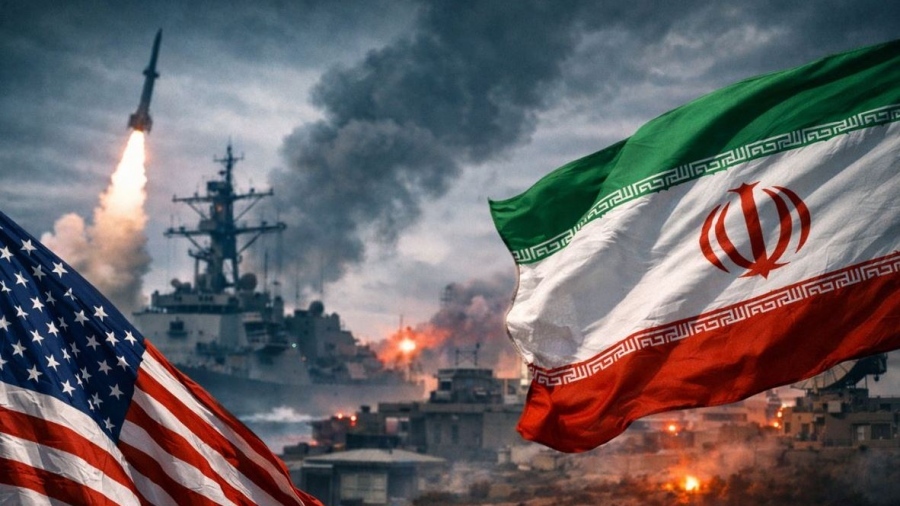
Global powers watch warily. The U.S., per GDELT-sourced reports, readies "unprecedented firepower," with B-2 bombers and carrier groups positioned, Khamenei rumored as a target—Iran retorts with "holy total war." Confirmed: U.S. Central Command drills; unconfirmed: strike authorization.
Regional allies like Saudi Arabia bolster defenses, while adversaries (Russia, China) urge restraint via UN channels. Israel's Mossad-linked strikes (January 15) signal preemption. Social media buzzes: Analyst @EliLake tweeted, "Iran's strike is no coincidence—it's leverage against U.S. escalation," garnering 15K likes. Exiled Iranian @AlinejadMasih posted strike videos, "People power vs. missiles," viewed 2M times. IRGC accounts decry "Zionist plots."
This crisis reframes the strike as a dual-use tactic: domestically unifying opposition, internationally deterring intervention by highlighting internal fragility.
What to Watch
Expect regime crackdowns if strikes hit 50% capacity, potentially shifting sentiment toward radicalization. U.S.-Iran talks hinge on de-escalation; prolonged unrest risks IRGC coups or proxy flares (Yemen, Lebanon), destabilizing the Gulf. Prediction: By mid-February 2026, economic collapse forces concessions, altering U.S. containment strategy.
This is a developing story and will be updated as more information becomes available.
(Word count: 598)