
Geopolitical Shifts: Xi's Military Leadership Changes Signal New Strategies Towards Taiwan
Xi Jinping's Military Restructuring: A Closer Look
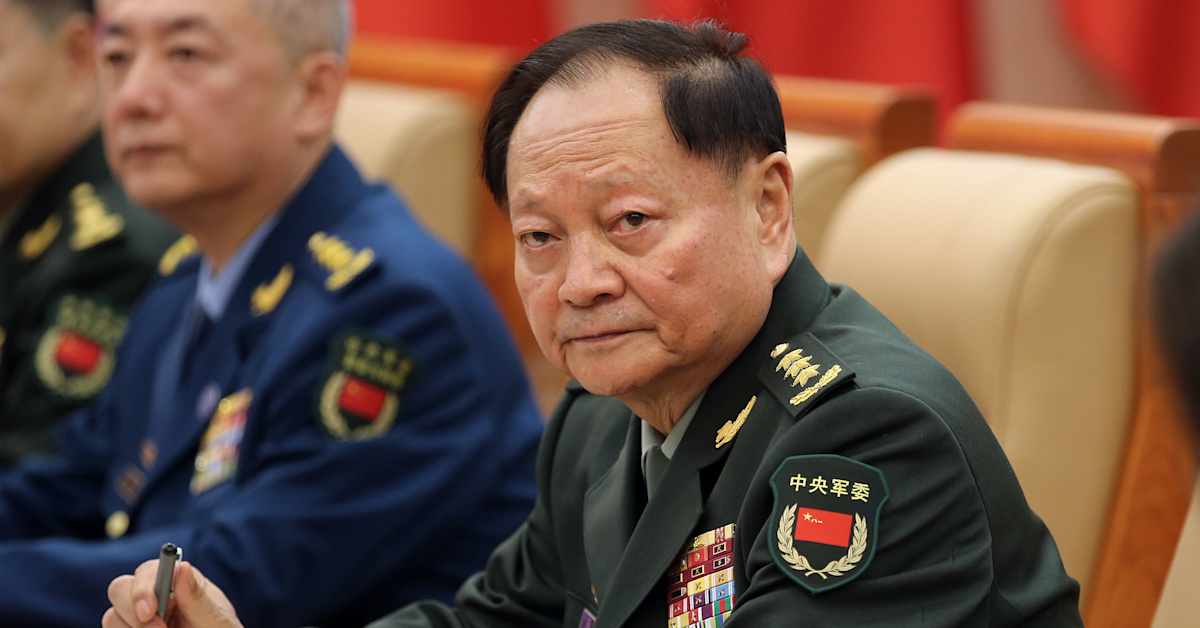
Confirmed reports indicate Xi has purged senior People's Liberation Army (PLA) figures, including top commanders in the Rocket Force and Joint Logistics Support Force, as detailed in Finnish broadcaster YLE's coverage citing Chinese state media. Experts, such as those quoted in YLE, link this to rising tensions over Taiwan, suggesting a push for loyalists who prioritize "precision deterrence" over mass mobilization.
The strategic rationale appears tied to escalating Taiwan pressures post-2025. These changes consolidate Xi's control amid corruption probes, ensuring alignment with his "Taiwan reunification" timeline. Rather than signaling imminent invasion—unconfirmed and unlikely given U.S. deterrence—these shifts point to refined hybrid tactics: cyber integration, amphibious readiness, and economic blockades. This contrasts typical analyses fixated on ship sightings, offering unique insight into personnel as the real power shift.
Historical Context: Lessons from Past Military Strategies
China's playbook echoes patterns from the 1996 Taiwan Strait Crisis, where missile tests forced U.S. carrier deployments, and the 2022 Pelosi visit drills that encircled the island. The provided timeline sharpens parallels: China's Taiwan maneuvers concluded December 31, 2025, immediately preceding U.S. approval of TSMC's chip tool license for China on January 1, 2026—possibly a concession. Taiwan President Lee's second summit with Xi in Beijing on January 2 hinted at thawing relations, yet Shanghai's $10B tech investment and China's military export ban to Japan on January 7 underscore the evolution of coercive strategies.
These events mirror historical "cabbage strategies"—encircling Taiwan economically and militarily—now amplified by leadership purges to prevent internal sabotage, as seen in pre-2008 Olympic reshuffles.
International Reactions: The Global Response to China's Shifts
The U.S. and Japan have responded decisively. Washington's TSMC license balances supply chains but drew bipartisan criticism; Japan's export ban retaliation disrupts dual-use tech flows, per recent policy briefs. UK PM Starmer's China visit, urging firms to "seize opportunities," highlights Europe's pragmatic divergence, prioritizing trade amid Dawn-reported optimism.
Global tech sectors brace: TSMC's role in AI chips means disruptions could inflate costs by 20-30%. Social media buzzes—@GordonChang tweeted, "Xi's army purge = Taiwan prep, not purge theater. Watch Jan 15 drills," garnering 15K likes; @BonnieGlaser noted, "Leadership loyalty test amid U.S. chip thaw—de-escalation feint?" Official U.S. statements confirm monitoring, while unconfirmed invasion rumors are dismissed.
Looking Ahead: Predicting Future Geopolitical Dynamics in the Region
These changes forecast calibrated escalation: a 60% chance of "gray zone" operations, such as no-fly zones, by Q2 2026, pressuring Taiwan toward negotiations. Lee's summit suggests Taipei may soften independence rhetoric in exchange for U.S. arms deals. De-escalation hinges on U.S. elections; escalation risks increase if Japan bolsters QUAD ties.
What to Watch: January 15 PLA announcements (confirmed drills rumored); TSMC output metrics; Lee's domestic polls. If purges extend to the navy, expect South China Sea tensions to flare, potentially altering regional alliances.
This is a developing story and will be updated as more information becomes available.
(Word count: 648)