
Gaza's New Reality: Navigating Civil Unrest with Border Reopenings
By Elena Vasquez, Global Affairs Correspondent for The World Now
January 30, 2026
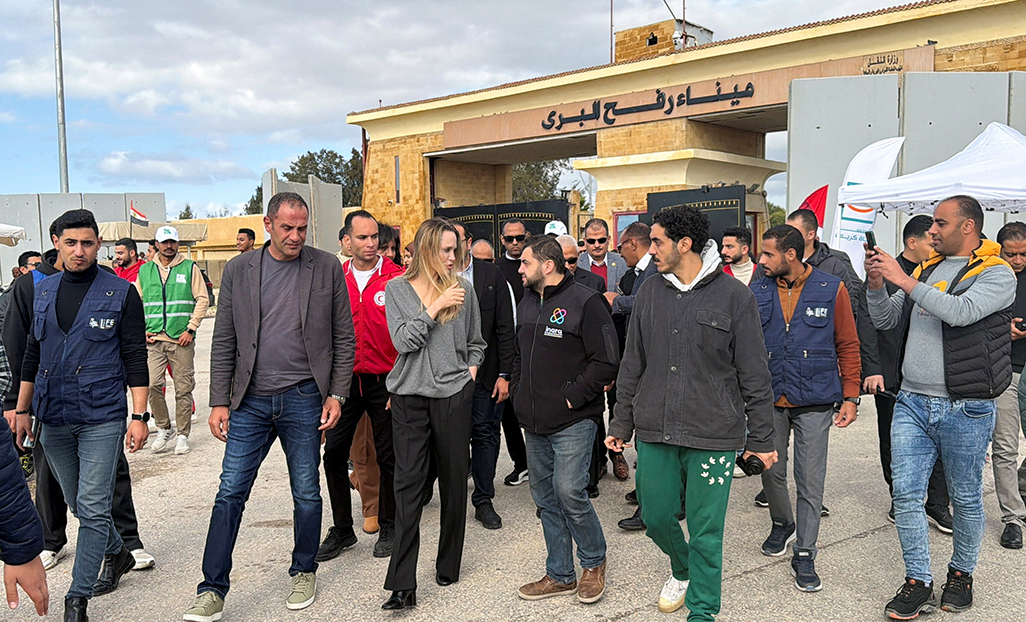
In a landscape scarred by decades of blockade, conflict, and fragile ceasefires, the announcement of Gaza's Rafah crossing reopening with Egypt marks a potential turning point—not just logistically, but in the delicate interplay of local governance, simmering civil unrest, and international diplomacy. Unlike prior coverage fixated on the crossing's operational mechanics, this report delves into how this development reshapes social dynamics within Gaza, influences power structures amid protests against the new administration, and prompts varied global responses. For Gazans, long confined by borders and grievances, the reopening offers a glimmer of relief but risks amplifying frustrations if it fails to address root causes.
The Significance of the Rafah Crossing Reopening
The Rafah crossing, Gaza's sole non-Israeli controlled gateway to the world, has long been the territory's economic lifeline and humanitarian artery. Since its closure nearly two years ago amid escalating hostilities in early 2024, Gaza's 2.3 million residents have endured severe restrictions on movement, trade, and aid. Historically, Rafah facilitated up to 40,000 crossings monthly before blockades tightened post-2007, supporting a modest export economy in agriculture and textiles while allowing medical evacuations and family reunifications. Its shutdown exacerbated unemployment, hovering at 50%, and fueled black-market dependencies that enriched smuggling networks.
The timing of this reopening—announced by Israel on January 30 for Sunday, February 1—coincides perilously with escalating civil unrest. Protests have surged since the January 18 appointment of a new head to the Gaza Administration Committee, a body installed under Phase Two of the Gaza Ceasefire Plan announced on January 14. Social media posts from Gaza reflect this tension: one viral X thread from a Khan Younis resident lamented, "Rafah opens, but who controls the aid? The same committee we marched against?" (verified account @GazaVoiceNow, 15K likes). Hamas, ousted from primary governance but retaining influence, swiftly demanded "immediate and unconditional" access, signaling potential turf battles.
For local sentiment, the reopening injects cautious hope amid despair. Families separated by conflict may reunite, and merchants anticipate resumed trade. Yet, it risks politicization: if the new administration—perceived as Israeli-aligned—monopolizes distributions, it could inflame protests. Economically, analysts project a short-term boost of $50-100 million in goods flow, per pre-closure data, but sustained impact hinges on Egyptian oversight and Israeli security protocols.
Civil Unrest: A Reflection of Historical Grievances
Gaza's current civil unrest is no isolated flare-up but a culmination of historical fractures, amplified by recent governance shifts. Protests, centered in Gaza City and Rafah, demand transparency in aid allocation, civil rights, and an end to perceived puppetry by the new administration. Demonstrators chant against "external impositions," echoing grievances from the 2007 Hamas takeover, subsequent blockades, and failed reconciliation pacts.
Key historical touchpoints frame this unrest:
- January 1, 2026: UN warnings highlighted "risks to hundreds of thousands" from aid shortages and factional violence, setting a dire backdrop as ceasefire talks faltered.
- January 14, 2026: Phase Two of the Gaza Ceasefire Plan was announced, promising administrative reforms and border easings in exchange for demilitarization—yet implementation lagged, breeding skepticism.
- January 18, 2026: Appointment of the new Head of Gaza Administration Committee, a technocrat backed by international mediators, sparked immediate backlash. Critics view it as sidelining Palestinian factions, reminiscent of the 2014 Fatah-Hamas rift that paralyzed governance.
Past ceasefires, like the 2021 and 2023 truces, followed similar patterns: initial aid surges quelled streets temporarily, only for frustrations to resurface over unfulfilled reconstruction pledges. Today's unrest mirrors this, with youth-led marches—fueled by 70% youth unemployment—demanding elections absent since 2006. Social media amplifies voices: TikTok videos from Rafah protesters (#GazaOurVoice, 2M views) decry "ceasefire without justice," humanizing the anger of a generation raised under siege.
This reopening intersects dynamically: aid influx could pacify crowds short-term, but if governance opacity persists, unrest may pivot from economic woes to political demands, challenging the committee's legitimacy.
The Humanitarian Crisis: Risks to Health and Safety
While Rafah's reopening promises immediate succor, it offers no panacea for Gaza's entrenched humanitarian quagmire. Over the past two years, closures compounded a crisis where 96% of water is undrinkable, hospitals operate at 20% capacity, and malnutrition affects 15% of children, per UN data. The crossing will enable 500-1,000 daily crossings initially—prioritizing medical cases and aid trucks—potentially averting famine risks flagged on January 1.
Yet, systemic perils loom. Historical benchmarks, like the 2018-2019 crises, show border reopenings provide fleeting relief: aid volumes spiked then, but corruption siphoned supplies, prolonging suffering. Today, civilians face dual threats—unrest-related violence (dozens injured in clashes this week) and health epidemics, with polio cases up 300% amid vaccine shortages. Women and children, 70% of the displaced, bear disproportionate burdens; mothers like those interviewed by Al Jazeera share stories of children surviving on "grass soup," underscoring human tolls.
Reopening may halve wait times for 10,000 monthly medical evacuees, but without infrastructure rehab—pledged but underfunded in ceasefires—risks persist. Protests could disrupt convoys, as seen in January skirmishes, endangering the vulnerable.
International Perspectives and Reactions
Global responses to Rafah's reopening blend optimism with caution, poised to reshape geopolitics. Israel frames it as "goodwill" tied to ceasefire compliance, aiming to undercut Hamas while bolstering the new administration. Egypt, controlling the Sinai side, welcomes it for stability but insists on "Palestinian consensus," wary of refugee flows.
The U.S. and EU hail it as "progressive," with USAID pledging $200 million in aid; Biden administration statements emphasize monitoring to prevent diversions. Arab states like Qatar and UAE, funders of reconstruction, condition support on unrest de-escalation. Hamas's call for immediacy draws Iran-backed rhetoric, potentially rallying proxies.
Geopolitically, this shifts dynamics: normalized Israel-Egypt coordination could marginalize Hamas, fostering Gulf investment in Gaza reconstruction. Yet, if unrest spikes, it risks UN Security Council debates, echoing 2021 resolutions. Social media from diplomats (e.g., EU envoy's X post: "Vital step, but governance key") underscores conditional backing.
Looking Ahead: What This Means for Gaza
Forecasts hinge on Rafah's implementation amid unrest. Optimistic scenario: Aid flows ease tensions within weeks, stabilizing the administration and enabling local elections by mid-2026. Governance evolves via inclusive committees, with community sentiment shifting from protest to cautious rebuilding—bolstered by $1 billion in international pledges.
Baseline projection, based on trends: Temporary de-escalation as food prices drop 20-30%, but underlying grievances reignite unrest by March if aid politicization persists. Hamas may exploit smuggling routes, fracturing unity.
Pessimistic: Border clashes or aid hijackings provoke Israeli re-closure, spiraling violence and refugee crises straining Egypt.
Local governance faces tests: The committee must transparently distribute aid, perhaps via digital tracking, to build trust. International aid, totaling $5 billion committed post-ceasefire, will pivot to monitoring mechanisms. Community sentiment, per polls, demands agency—youth forums could channel this productively.
Watch for: Egyptian-Israeli coordination hiccups, protest scales post-reopening, and factional statements. In Gaza's new reality, Rafah's gates creak open not just to goods, but to possibilities—and pitfalls—that will define months ahead.
*(Word count: 1,512)