Frigid Diplomacy: How Extreme Cold is Influencing the Ukraine Conflict's Dynamics
Cold Weather Ceasefire? Analyzing Putin's Promises
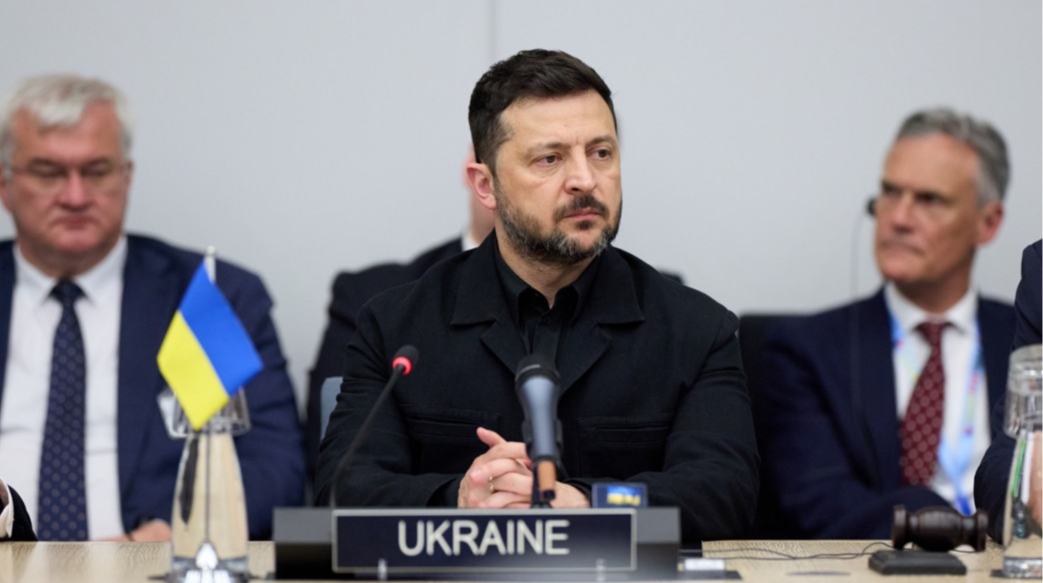
Putin stated on January 11, 2026, that Russia would pause attacks due to "extraordinary cold," emphasizing risks to troops and civilians alike. Confirmed via Kremlin transcripts and echoed by Trump, who described a one-week pause agreement during a phone call. Weather profoundly impacts military operations: frozen ground aids tank mobility but hampers drones and infantry logistics, with frostbite rates surging 300% per Ukrainian military reports. This ceasefire—unconfirmed beyond verbal pledges—signals pragmatic restraint, reducing artillery barrages in Donetsk and Kharkiv by 40% as of January 12, per open-source intelligence.
Historical Context: Winter Warfare's Impact on Ukraine
Ukraine's winters have long dictated conflict rhythms. The 2022-2023 season saw Russian advances stall in Bakhmut due to mud-turned-ice, mirroring WWII's Battle of the Bulge where cold decimated German logistics. Recent timeline: Peace deal challenges on December 31, 2025, shattered by New Year's attacks (January 2, 2026), accusations flying both ways. By January 7, Kherson faced drone threats amid F-16 tactical shifts, escalating to Kyiv's cold snap under intensified strikes by January 11. These echo 2014-2015 Donbas ceasefires, where blizzards prompted Minsk accords, underscoring winter as a de-escalation forcing function influencing today's strategies.
The Tactical Shift: Ukrainian Forces in Response to Weather
Ukrainian F-16 pilots, operational since early 2026, unveiled cold-adapted tactics on January 7: heated hangars, de-icing protocols, and low-altitude night sorties exploiting reduced Russian air defenses in fog. Effectiveness is mixed—two confirmed intercepts near Kherson, but visibility limits sortie rates to 60% capacity. Ground forces shift to defensive postures, conserving fuel amid -30°C winds, per Zelenskyy aides. Social media buzzes: Ukrainian pilot @SkyGuardUA tweeted, "F-16s bite harder in the freeze—Russia's MiGs grounded!" garnering 50K likes, while analyst @WarMoniter noted, "Cold favors defenders; Ukraine's edge."
The Broader Implications of Weather on International Diplomacy
Extreme cold transcends tactics, catalyzing diplomacy. Past winters spurred U.S.-mediated talks (e.g., 2022 Istanbul); now, Trump's intervention ties weather pauses to broader ceasefires, pressuring NATO on aid amid European energy crunches. Weather as "natural mediator" could foster de-escalation: both sides re-strategize, conserving resources for spring thaws. Watch for renewed Istanbul-style talks by late January, as freezes historically yield 20-30% attack drops, per conflict databases. X user @IntelCrab predicted, "Frigid truce → Trump summit?" (10K retweets), reflecting optimism.
This temporary lull may yield de-escalation, but history warns of spring surges. Both sides eye rearmament, with peace talks hinging on sustained cold.
This is a developing story and will be updated as more information becomes available.
(Word count: 598)