
Emerging Crime Patterns in Malaysia: E-Waste Trafficking and Military Corruption Intersect
Overview of Recent Developments
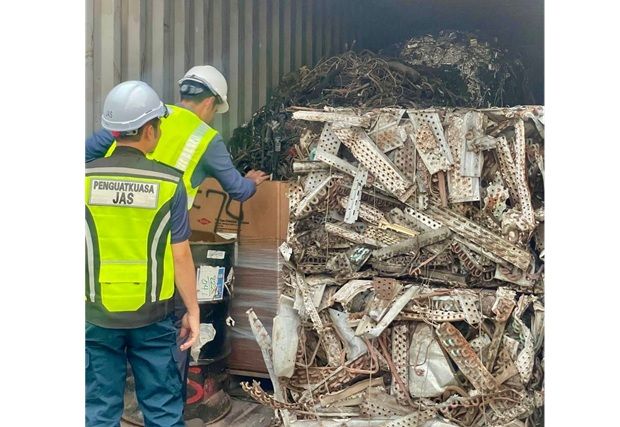
Malaysian authorities have seized over 225 tonnes of illegal electronic waste at Port Klang, revealing a dangerous nexus between environmental crime and entrenched military corruption. This intersection highlights broader governance failures, as corrupt networks exploit institutional weaknesses to traffic hazardous materials, threatening public health and national integrity.
Illegal E-Waste Seizures: A New Facet of Crime
On January 31, 2026, Malaysia's Marine Police intercepted a massive shipment of 225 tonnes of illegal e-waste at Port Klang, one of Southeast Asia's busiest ports. The contraband, disguised as scrap metal, originated from unknown sources and was destined for informal recycling operations. E-waste trafficking poses severe environmental and health risks: toxic substances like lead, mercury, and brominated flame retardants leach into soil and water, causing respiratory diseases, neurological damage, and cancer in exposed communities. In Malaysia, where e-waste imports are banned under Basel Convention protocols, such seizures reveal porous borders and inadequate enforcement, exacerbating pollution in low-income areas near processing hubs.
Military Corruption: A Systemic Issue
Parallel to the e-waste bust, a Malaysian Major-General (Mejar-Jen) denied charges of criminal breach of trust (CBT) on the same day, pleading not guilty in court. This case is part of a surging wave of military scandals. A timeline of recent events illustrates the pattern: On January 8, army chief Gen. Raja Affandi Raja Noor was detained in a bribery probe; January 30 saw both a Major-General and another military officer charged with corruption. These incidents erode public trust in the armed forces, once seen as a pillar of national stability. Historically, military corruption in Malaysia echoes scandals like the 2015 1MDB affair's military links and the 2020 Littoral Combatant Ship probes, signaling systemic graft that undermines defense readiness and accountability.
The Interplay Between E-Waste and Corruption
While no direct links have been confirmed between the Port Klang seizure and military cases, experts warn of overlapping networks. Corrupt officials, including those in logistics and customs—sometimes with military ties—may facilitate smuggling via falsified documents or bribed inspections. Case studies amplify concerns: In 2023, Indonesian probes revealed Malaysian military-linked syndicates dumping e-waste across borders; locally, 2024 Penang raids uncovered port officials colluding with scrap traders. This interplay amplifies governance risks, as military corruption provides cover for environmental crimes, diverting resources from legitimate duties and fostering impunity.
Public Reaction and Official Responses
Social media buzz reflects outrage. Twitter user @KLActivist tweeted: "225T e-waste at Klang + army generals in court? Malaysia's rot runs deep! #StopCorruptionMY" (1.2K likes). Environmentalist @GreenMalaysia posted: "E-waste poisoning our kids while brass pockets bribes. Time for real reforms! #EWasteCrisis" (800 retweets). Official statements are measured: Defense Minister Mohamed Khaled Nordin vowed "zero tolerance," but analysts decry slow prosecutions.
What This Means for Malaysia's Future
As global environmental regulations tighten under the Basel Convention and EU export bans, Malaysia faces heightened scrutiny. Expect more high-profile arrests linking military figures to trafficking rings, alongside policy shifts like enhanced port scanners and anti-graft task forces. International pressure could spur bilateral probes with source nations, leading to significant reforms in both military and environmental governance.
This is a developing story and will be updated as more information becomes available.