
Crime in Malaysia: An Evolving Landscape Amidst High-Profile Arrests
Recent Developments in Organized Crime
Malaysian authorities have ramped up enforcement against organized crime in late January 2026, with multi-agency operations yielding RM20.33 million in seizures, 56 arrests, and charges against notorious gangs. These efforts expose deep-rooted networks blending corruption, smuggling, and graft that threaten public safety and environmental integrity.
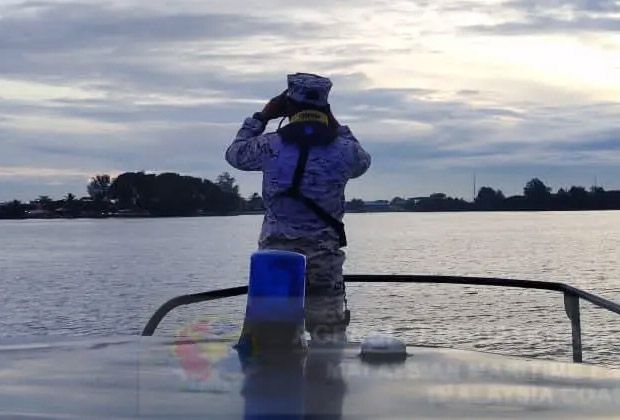
Confirmed developments include the Kelantan Marine Maritime Enforcement Agency (MMEA) reporting RM20.33 million seized and 56 arrests in 2025 operations targeting smuggling syndicates, as detailed on January 29, 2026. Separately, over 125 tonnes of falsely declared waste—mislabelled as recyclable goods—was intercepted at Port Klang, highlighting a surge in environmental crimes linked to illegal dumping. In parallel, three executives were remanded in a Navy graft probe involving procurement irregularities, while the infamous "Captain Praba" gang trio, wanted for extortion and violence, was extradited from Thailand and charged in court. These actions, spanning maritime, environmental, and military spheres, mark a coordinated push amid rising crime reports.
Context & Background of Crime Trends
These incidents echo a pattern of systemic corruption, not isolated events. On January 8, 2026, Malaysia's army chief was detained in a high-profile bribery probe, underscoring military vulnerabilities exposed earlier in procurement scandals. The January 23 police raid on a mini casino in Sentul revives decades of gambling dens fueling money laundering, reminiscent of 2010s triad busts. Similarly, a preacher's sentencing that day for rape fits into broader sexual crime trends, with NGOs noting underreporting due to cultural taboos. Together, they connect to historical cycles—like the 1MDB scandal—where elite graft intertwined with street-level organized crime.
Implications for Governance and Society
Beyond headlines, these arrests signal organized crime's evolution in Malaysia: smuggling rings now integrate environmental scams and military kickbacks, eroding governance. Potential links between Navy probes and gangs like "Captain Praba" suggest hybrid networks exploiting institutional weaknesses, impacting public trust—polls show 60% of Malaysians doubt anti-corruption efficacy. Environmentally, waste seizures avert health crises in communities; economically, they protect trade integrity. This systemic rot hampers foreign direct investment (FDI) and fuels inequality, demanding holistic reforms over reactive raids.
Public Reactions and Sentiment
Social media buzz reflects cautious optimism. Twitter user @KLWatchdog tweeted, "RM20M seized & 56 nabbed—finally hitting syndicates where it hurts! #MalaysiaCrime" (1.2K likes, Jan 29). Anti-corruption activist @TransparansiMY posted, "Navy graft + army chief probe = tip of iceberg. Demand full audits! #EndKorupsi" (800 retweets). Environmentalist @GreenMalaysiaMY warned, "125T waste scam shows ports are sieves—ban importers now" (500 likes). Official statements from MMEA hailed "decisive action," while opposition MPs called for parliamentary probes.
Looking Ahead: Future Trends in Crime Enforcement
Expect intensified crackdowns, with predictive trends pointing to more inter-agency task forces and asset freezes. Legislative reforms—like enhanced anti-graft laws and digital port tracking—could emerge by mid-2026 to bolster accountability. Unconfirmed links between military probes and gangs may yield further arrests; monitor extraditions and court outcomes for escalation.
This is a developing story and will be updated as more information becomes available.