
Coup Allegations Shake Nigeria: Military Trials Amidst Rising Violence
The Coup Plot: A Sign of Deeper Instability?
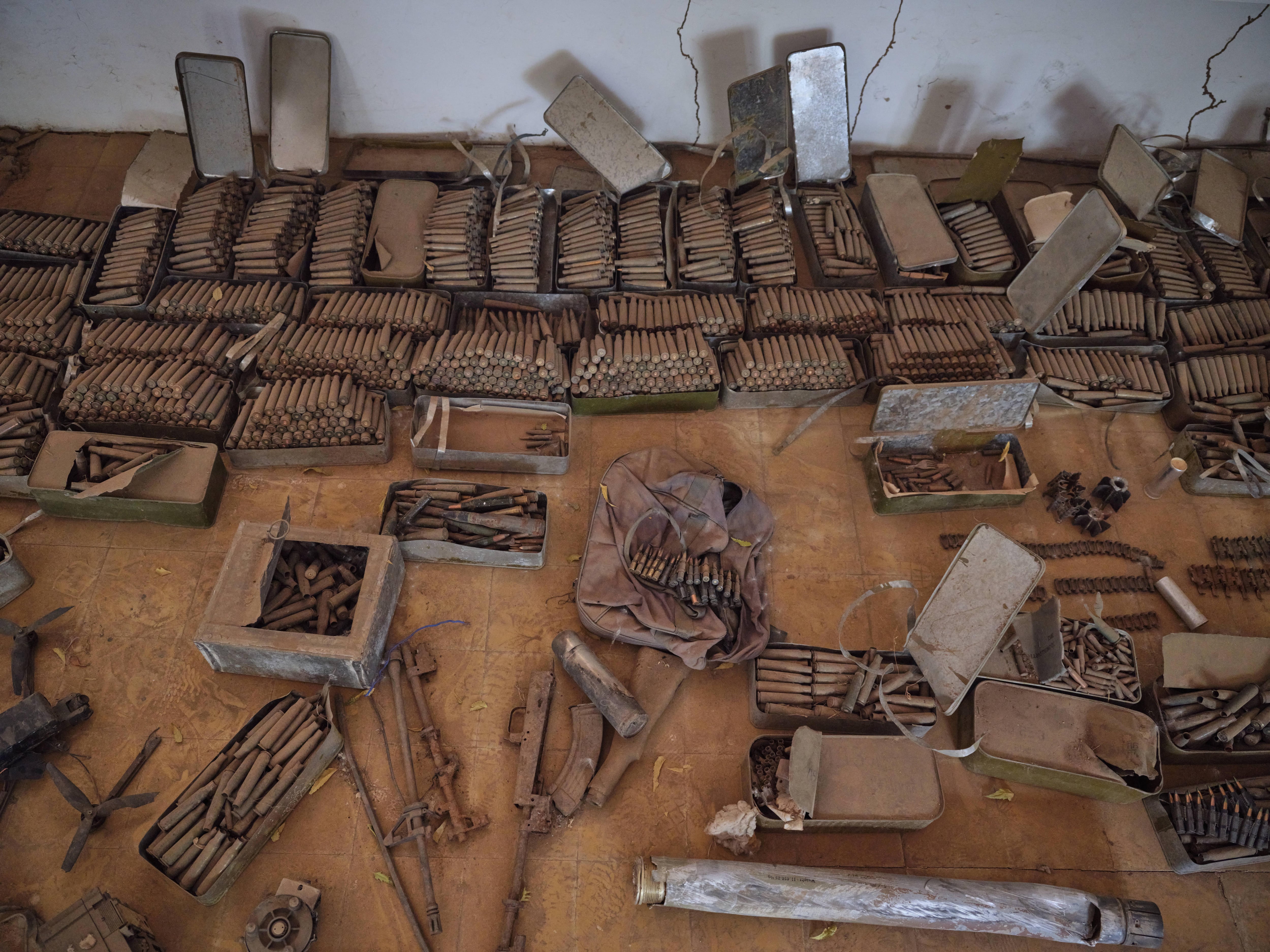
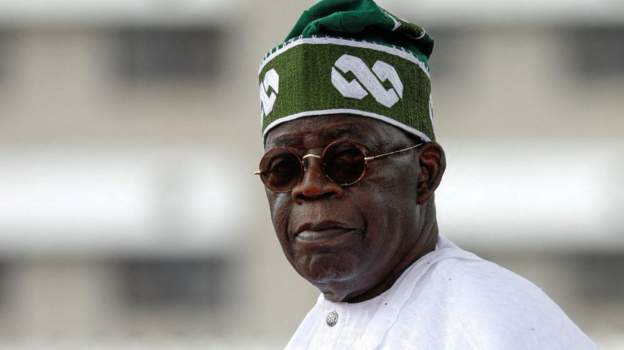
Nigeria's military has confirmed allegations of a coup plot targeting President Bola Tinubu's government, with several senior officers set for trial as early as January 27, 2026. The Associated Press and other outlets report that the accused, including high-ranking personnel, face charges of conspiracy to overthrow the civilian administration. This revelation comes amid escalating violence, including a January 5 gunmen raid in northern Nigeria that killed 30 civilians and an ISWAP attack on January 12 in Monguno, Borno State.
These internal military tensions signal deeper instability, potentially fracturing the armed forces at a time when they are stretched thin combating jihadist groups like ISWAP and Boko Haram. Analysts warn that such unrest could exacerbate Nigeria's security crisis, diverting resources from counterinsurgency operations and emboldening insurgents.
Historical Context: Echoes of the Past
The coup allegations echo Nigeria's turbulent history of military interventions, including successful coups in 1966, 1983, 1985, and 1993, which often followed periods of insecurity and economic strife. Recent events form a stark timeline of escalation: the deadly northern raid on January 5, the ISWAP assault in Borno on January 12, and now the January 27 trial announcement. This sequence underscores how operational failures against insurgents may fuel internal dissent, mirroring past patterns where battlefield setbacks preceded mutinies.
Unlike historical coups that led to prolonged juntas, current trials under civilian oversight aim to deter unrest, but skepticism persists given the military's outsized role in governance since independence.
Impact on Civilians: The Human Cost
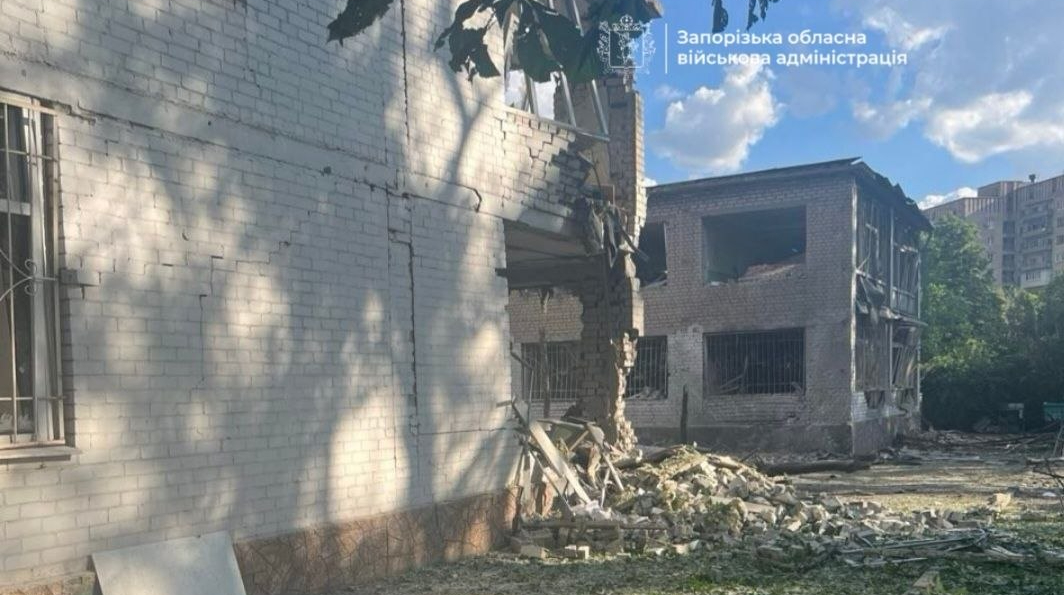
Military trials risk distracting Nigeria's security apparatus from civilian protection, worsening the humanitarian toll. The Displacement Tracking Matrix (DTM) Dashboard 521 for Adamawa State (January 12-18, 2026) documents fresh movements of internally displaced persons (IDPs), driven by ongoing clashes in the northeast. With over 3 million IDPs nationwide, intensified violence has spiked returns and new displacements, straining resources.
Civilians bear the brunt: families flee Borno and Adamawa amid ISWAP advances, while internal purges could reduce troop deployments. On X (formerly Twitter), user @NaijaSecurityWatch posted, "Army fighting itself while bandits/ISWAP run wild? 30 dead last week alone. Trials won't stop the bleeding. #NigeriaCoup." Rights groups echo concerns that opacity in trials may erode public trust, further isolating affected communities.
Looking Ahead: What This Means for Nigeria
The outcomes of the trials could reshape military loyalty and governance in Nigeria. Convictions might purge disloyal elements, bolstering President Tinubu's control and stabilizing operations against insurgents. However, perceived witch hunts could spark mutinies or desertions, amplifying violence in volatile regions.
Public perception is pivotal: fair trials may restore confidence, but miscarriages could ignite protests. X analyst @AfricaStrat tweeted, "Tinubu's military trials: stabilization or spark for more coups? Loyalty fractures mean more Borno attacks. Watch Adamawa displacements." In the near term, expect heightened surveillance and possible unrest; long-term, this tests Nigeria's democratic resilience amid Sahel-wide instability.
This is a developing story and will be updated as more information becomes available.