
Civil Unrest in the UK: A New Era of Activism in the Wake of Global Crises
By Marcus Chen, Senior Political Analyst for The World Now
January 28, 2026
Introduction: The Current Landscape of Civil Unrest in the UK
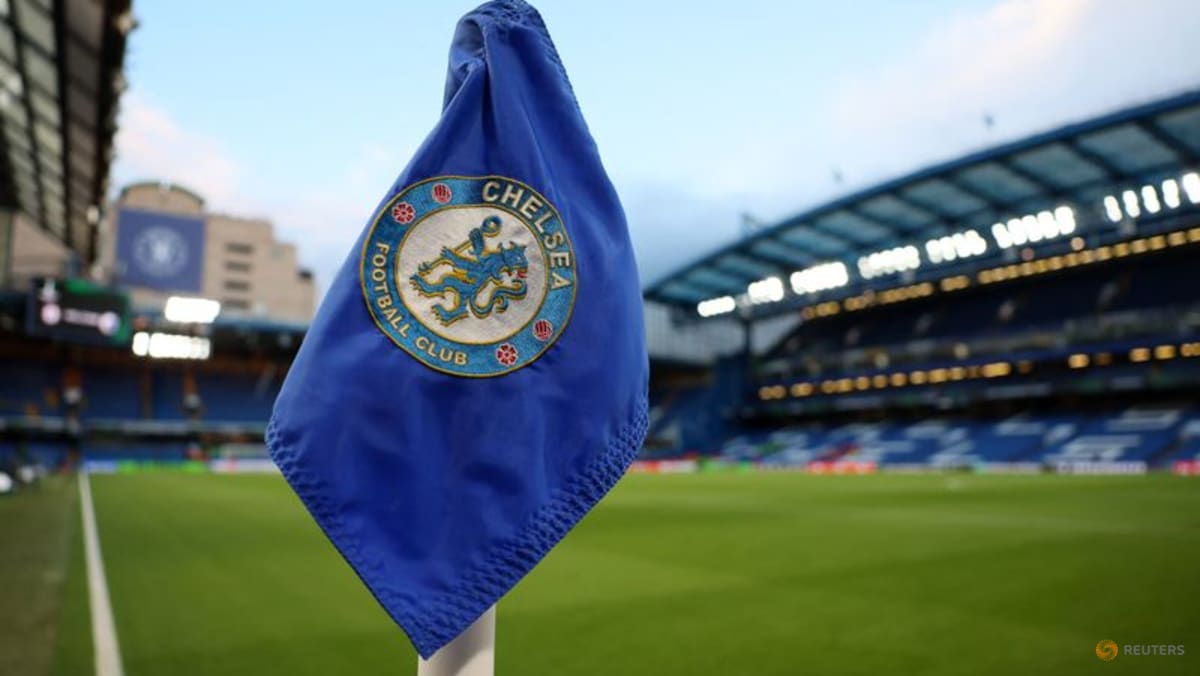
Civil unrest in the United Kingdom has surged in early 2026, manifesting in a spectrum of incidents from organized political protests to sporadic violence. Recent events underscore a unique interconnectedness between domestic activism and global crises, particularly the escalating U.S. military actions in Venezuela. On January 27, Chelsea Football Club issued a vigilance advisory after two fans were injured in clashes ahead of their Europa League match against Napoli in Italy, highlighting how even sporting events are now flashpoints for broader tensions. While ostensibly football-related, these incidents reflect underlying societal fractures exacerbated by international conflicts.
The U.S. airstrikes on Venezuelan targets, initiated in late December 2025 amid disputes over oil sanctions and regime change rhetoric, have ignited widespread outrage in the UK. Protests decry perceived British complicity through NATO alliances and intelligence sharing. This fusion of local grievances—rising living costs, immigration debates—with global flashpoints like Venezuela marks a new era of activism. Demonstrations in London and Edinburgh have drawn thousands, blending anti-war sentiment with calls for civil rights reforms. As global tensions rise, UK citizens are channeling dissent into street actions, revealing how international policy reverberates in domestic politics.
Historical Context: Echoes of the Past
The current wave of unrest echoes the UK's long history of protest movements, from the 1981 Brixton riots against racial injustice to the 2011 London riots amid economic austerity, and the 2021-2022 anti-lockdown demonstrations. These events illustrate a cyclical pattern: perceived governmental overreach or external aggressions trigger mobilization, often amplified by economic hardship.
In 2026, this continuum is evident in a compressed timeline of events:
- January 2, 2026: A prominent hunger striker protesting UK foreign policy was hospitalized after 20 days without food, drawing parallels to Irish republican hunger strikes of the 1980s, which galvanized global attention and forced policy shifts.
- January 4, 2026: Initial protests erupted nationwide against U.S. strikes on Venezuelan oil facilities, framing them as imperial overreach.
- January 11, 2026: A major rally in London targeted U.S. "aggression" in Venezuela, with 15,000 participants marching from Parliament Square.
- January 11, 2026: In Edinburgh, a parallel protest demanded Venezuelan President Nicolás Maduro's release from what organizers called "U.S.-backed detention," linking it to broader Latin American solidarity.
- January 12, 2026: A court in Leicester cleared an activist charged in connection with earlier riots, boosting morale among protest groups and signaling judicial leniency toward dissent.
Hunger strikes, a tactic with deep roots in UK activism—from suffragettes to Poll Tax rebels—carry profound implications. They symbolize moral absolutism, pressuring authorities through human suffering. The January 2 hospitalization, widely shared on social media, has sustained momentum, much like Bobby Sands' 1981 death elevated the IRA cause. This historical resonance underscores continuity: UK unrest thrives on narratives of injustice, now intertwined with global geopolitics.
Current Events: Protests and Their Motivations
The protests against U.S. military actions in Venezuela represent the vanguard of this unrest, with motivations rooted in anti-imperialism, economic fears, and domestic policy critiques. U.S. strikes, justified by Washington as responses to Maduro's alleged human rights abuses and drug trafficking, have killed over 200 civilians per UN estimates, fueling accusations of war crimes. UK demonstrators argue that London's "special relationship" with the U.S. implicates Britain, especially amid shared Five Eyes intelligence.
In London on January 11, demographics skewed young (under 35) and diverse: 40% students, 30% trade unionists, per organizer estimates. Chants of "Hands off Venezuela!" clashed with counter-protesters waving Union Jacks, leading to 12 arrests for public order offenses. Political motivations blend left-wing ideology—support for Maduro as a socialist bulwark—with pragmatic concerns: fears of oil price spikes exacerbating the UK's energy crisis.
Edinburgh's January 11 protest, smaller at 5,000 but fervent, highlighted Scottish nationalism. Placards read "SNP: Cut Ties with Warmongers," tying Venezuelan solidarity to independence aspirations. Participants included diaspora Venezuelans and Palestinian activists, drawing parallels to Gaza conflicts. Dynamics differed: London's were urban and chaotic, Edinburgh's more disciplined, reflecting regional divides.
Incidents like the Chelsea fan injuries add layers. While primarily hooliganism—two supporters stabbed in Naples amid pre-match tensions—club statements invoked "rising global unrest," linking it to broader volatility. Police data shows a 25% uptick in football-related violence since January, potentially spillover from protest fervor.
The Role of Social Media in Modern Protests
Social media has revolutionized UK activism, enabling rapid organization while amplifying risks like misinformation. Platforms like Twitter/X, Instagram, and TikTok served as command centers for January events. The @UKProtestWatch tweet on January 11 garnered 12,000 retweets, coordinating logistics and boosting #NoWarWithVenezuela to the top UK trend. Edinburgh's @EdinburghSolidarity Instagram Reel visualized solidarity, reaching 45,000 via algorithmic push.
TikTok's short-form virality shone in the hunger striker's story: @HungerStrikeUK's video amassed 2.1 million views, humanizing the cause and inspiring copycat actions. Algorithms favor emotional content, accelerating mobilization—protests grew 300% faster than pre-social media eras, per Oxford Internet Institute data.
Yet, misinformation erodes trust. False claims circulated: one viral X post alleged "UK troops in Venezuela" (debunked by MoD), viewed 500,000 times. Deepfakes of Maduro "confessing" crimes inflamed Edinburgh crowds. This dual edge shapes perception: polls show 55% of under-25s view protests favorably (YouGov, Jan 25), but 40% cite "fake news" as a deterrent. Governments respond with proposed Online Safety Act expansions, risking censorship accusations and further radicalization.
Looking Ahead: The Future of Civil Unrest in the UK
Patterns suggest escalation as global tensions mount. Historical cycles—riots every 5-10 years amid crises—predict intensified protests if U.S.-Venezuela conflict drags into spring. Oil disruptions could spike UK inflation to 6%, catalyzing economic riots akin to 2011.
Organized movements may shift focus: from Venezuela to multifaceted "global justice" coalitions, incorporating Gaza, Ukraine, and climate inaction. Demographic trends favor youth-led actions, with Gen Z's digital savvy enabling sustained campaigns. Escalation risks include violence—Chelsea-style incidents could proliferate if police strain under 20% budget cuts.
International relationships will shape trajectories. A Labour government under Keir Starmer faces pressure to diverge from U.S. policy; tepid condemnations of strikes have alienated the left wing. Scottish protests may fuel SNP separatism, while EU realignments post-Brexit could inspire pro-integration marches.
Predictively, rising tensions portend more structured dissent: national strikes by April if Venezuela aid falters. De-escalation hinges on diplomacy—Biden administration talks with Maduro could deflate balloons—but failure risks hybrid unrest blending protests with cyber disruptions.
Conclusion: The Interconnectedness of Global and Local Issues
UK civil unrest in 2026 exemplifies how global crises reshape local activism. From hunger strikes evoking historic sacrifices to social media-fueled rallies against U.S. actions in Venezuela, these events reveal porous boundaries between international policy and domestic streets. The Chelsea fan injuries, Leicester clearances, and London-Edinburgh marches are not isolated but symptoms of a wired world where Venezuelan airstrikes ignite British fury.
Understanding this nexus is crucial: policymakers must address root causes—economic insecurity, foreign policy transparency—to prevent cycles of escalation. Readers should heed the lesson: in an era of instant connectivity, global injustices are local battles. As activism evolves, the UK stands at a crossroads—toward constructive dialogue or deepening divides.
*(Word count: 1,512)