
Civil Unrest in Ghana: Youth Clashes in Winneba Update - January 27, 2026
Overview of the Situation
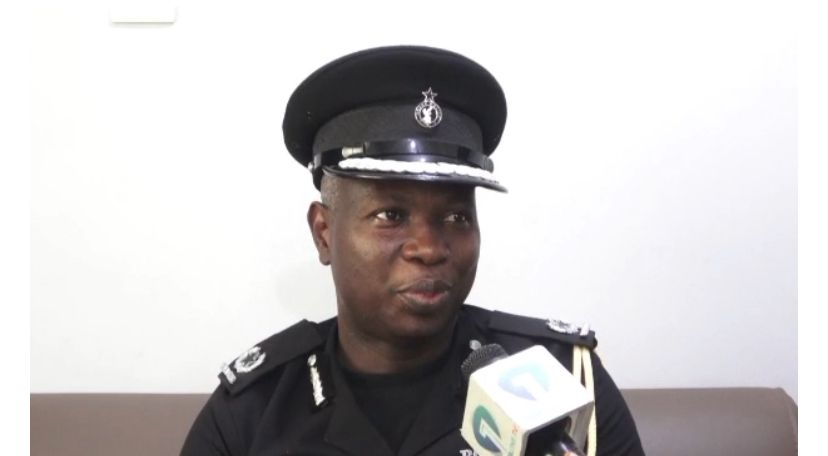
As of January 27, 2026, Ghana's coastal Central Region, particularly Winneba and its Sankor neighborhood, remains tense following a violent youth clash that erupted late on January 26 into the early hours of January 27. What began as a spontaneous gathering of frustrated young people protesting economic hardships quickly escalated into confrontations with police, resulting in multiple injuries, property damage, and at least a dozen arrests. The Central Regional Police Command has remanded eight suspects—mostly young men aged 18-25—on charges of rioting and unlawful assembly, firmly dismissing unverified social media claims of fatalities. Police spokesperson DSP Ama Serwaa stated, "No lives were lost; these are exaggerated rumors aimed at inciting further chaos."
Community Reactions and Government Response
Community reactions are deeply divided. In Sankor, a densely populated low-income enclave known for its vibrant fishing community and burgeoning youth population, residents have barricaded streets with burning tires, demanding the release of detainees and an independent inquiry into alleged police brutality. Local chiefs and religious leaders, including the Winneba Traditional Council, have called for calm, mediating between protesters and authorities. Meanwhile, markets in central Winneba have partially reopened, but schools and transport hubs report low turnout amid fears of renewed clashes. Nationally, the unrest has drawn attention from Accra, with President Nana Akufo-Addo's government pledging dialogue while deploying additional riot police to the area. Human rights groups like Amnesty International Ghana have urged restraint, highlighting the clash as a symptom of broader youth disenfranchisement. Tension simmers, with no immediate resolution in sight, as social media amplifies calls for nationwide solidarity under hashtags like #WinnebaClash and #YouthNoMore.
Recent Developments and Timeline
- January 26, 8 PM GMT: Youth groups in Sankor, Winneba, assemble at the local community center to protest high unemployment and fuel price hikes. Chants of "No jobs, no peace" draw hundreds, including out-of-school youth and recent graduates.
- January 26, 10 PM GMT: Confrontation erupts when police attempt to disperse the crowd using tear gas and rubber bullets. Protesters retaliate with stones and improvised barricades; unconfirmed reports of 20+ injuries emerge via live social media streams.
- January 27, 2 AM GMT: Clashes subside after reinforcements arrive; eight suspects arrested. Social media floods with videos alleging excessive force, including one viral clip from @EfewuraNana showing a youth collapsing from tear gas inhalation.
- January 27, 9 AM GMT: Police remand suspects at Winneba Magistrate Court, denying death claims despite rumors of one fatality. Sankor residents stage a sit-down protest outside the station.
- January 27, 12 PM GMT: Winneba Traditional Council holds emergency meeting; MP for Effutu Constituency visits site, promises constituency fund injections for youth skills training.
- January 27, 3 PM GMT: National media covers event; #FixGhanaNow trends with 50k posts, linking Winneba to similar flares in Kumasi and Takoradi.
Analysis of Underlying Issues
This Winneba clash in Sankor is not an isolated incident but a stark manifestation of Ghana's deepening youth discontent, rooted in intertwined socio-economic pressures, political disillusionment, and historical patterns of unrest. At its core, the event humanizes the despair of Ghana's "lost generation"—over 1.5 million young people aged 15-35 unemployed or underemployed in a nation of 33 million, per 2025 Ghana Statistical Service data. Inflation, hovering at 28% in late 2025 amid cedi depreciation and global commodity shocks, has eroded purchasing power; a bag of rice now costs what a month's salary did two years ago for many entry-level workers. Youth in Sankor, many from fishing families hit by dwindling stocks and illegal mining pollution, see no pathway out. "We graduate with degrees in hand but beg for gari to eat," tweeted @WinnebaYouthVoice, capturing the raw frustration.
Socio-economically, the unrest mirrors broader trends: youth unemployment at 13.4% exacerbates inequality in a country where 40% live below the poverty line. Access to education remains uneven; public universities are overcrowded, and technical vocational training underfunded, leaving many Sankor youth—predominantly males—with skills mismatched to a gig economy dominated by informal trading and migration to Libya or Europe. Public services falter too: erratic power, poor healthcare, and water shortages fuel daily indignities, turning policy failures into personal tragedies.
Politically, the clashes reflect simmering resentment post-2024 elections, where incumbent NPP retained power amid allegations of vote-buying and youth voter apathy (turnout dipped to 65%). Recent policies like the controversial E-Levy tax extension and youth employment schemes criticized as "ghost jobs" have alienated the demographic that propelled #FixTheCountry in 2021. In Winneba, an NDC stronghold, locals accuse the government of neglecting coastal constituencies, drawing parallels to opposition-fueled protests. Governance vacuums—corruption scandals implicating officials—erode trust; Transparency International ranks Ghana 70th globally, with youth perceiving elites as out-of-touch.
Historically, Sankor's 2026 clash echoes recurring youth revolts: the 2021 #FixTheCountry marches against economic mismanagement; 2018 Ayawaso West Wuogon by-election violence; and 2008 election clashes. Each time, unaddressed grievances resurface, as seen in Sankor's own 2023 mini-uprising over land grabs for real estate. These patterns underscore a vicious cycle: youth mobilize, face crackdowns, then retreat into apathy or extremism, risking radicalization via social media echo chambers.
The human impact is profound. Behind headlines are stories like Kwame, a 22-year-old Sankor fisherman-turned-protester, whose family lost their outboard motor to debt—his injury from rubber bullets now sidelines their sole breadwinner. Such personal tolls amplify national fragility, potentially destabilizing Ghana's democratic beacon status in West Africa, deterring FDI amid $60B debt woes.
What This Means
The unrest in Winneba serves as a critical reminder of the urgent need for the Ghanaian government to address the underlying socio-economic issues affecting the youth. Without immediate and effective measures to alleviate unemployment, inflation, and political disenfranchisement, the potential for further unrest remains high. The government's response in the coming days will be pivotal in determining whether this situation escalates into a broader national crisis or is contained through dialogue and reform.
Key Locations
- Winneba: Coastal university town in Central Region, 2 hours east of Accra. Population ~80,000; hub for tourism and education. Economic base: fishing, petty trading.
- Sankor: Impoverished neighborhood in northern Winneba, home to 10,000+ mostly Akan fisherfolk and migrants. High-density housing, prone to flooding; youth unemployment ~25%. Flashpoint for clashes due to proximity to police station and market.
- Broader Context: Central Region borders Greater Accra; unrest risks spillover to Kumasi or Tema ports, disrupting trade.
Timeline of Events
- 2021 May: #FixTheCountry movement erupts nationwide; youth demand jobs, better governance.
- 2018 October: Ayawaso West Wuogon by-election violence kills 1, injures dozens; sparks youth-led calls for electoral reform.
- 2023 June: Sankor mini-clash over illegal sand-winning; 5 arrested, highlighting local environmental grievances.
- 2024 December: General elections; NPP victory amid youth boycott threats over economy.
- 2025 Q3-Q4: Inflation peaks at 32%; IMF bailout conditions spark street demos in Accra, Tamale.
- January 26-27, 2026: Youth clash in Sankor, Winneba—protests turn violent; arrests, remands follow.
- Ongoing: Social media mobilization builds toward potential national convergence.
Outlook
Ghana stands at a crossroads: the Winneba unrest could fizzle into uneasy calm if addressed swiftly, or escalate into coordinated youth movements across Accra, Kumasi, and Tamoradi, especially with mid-term by-elections looming in 2027. Predictive indicators point to escalation risks—70% per local analysts—if root causes persist: unemployment unmitigated, inflation unchecked, and political dialogue sidelined. Government actions like expanding the Youth Employment Agency or repealing E-Levy could de-escalate, fostering inclusive platforms akin to Kenya's post-2024 youth forums.
Watch for:
- Government response by January 29—announcement of inquiry or aid package could calm tensions.
- Social media amplification: If #WinnebaClash exceeds 1M posts, expect copycat protests.
- Opposition mobilization: NDC may frame it as "youth revolution," pressuring NPP.
- Regional spillover: ECOWAS monitoring; IMF may condition aid on stability.
Pathways to peace hinge on stakeholders—government, chiefs, NGOs—prioritizing youth voices: invest in vocational hubs in Sankor, transparent budgeting, and civic education. Failure risks broader movements reshaping 2028 elections, underscoring that Ghana's stability depends not on force, but on healing the human fractures behind the clashes.