
Civil Unrest in Finland: A Growing Tension Amidst Societal Divides
By Elena Vasquez, Global Affairs Correspondent for The World Now
January 29, 2026
Introduction: The Current Landscape of Civil Unrest
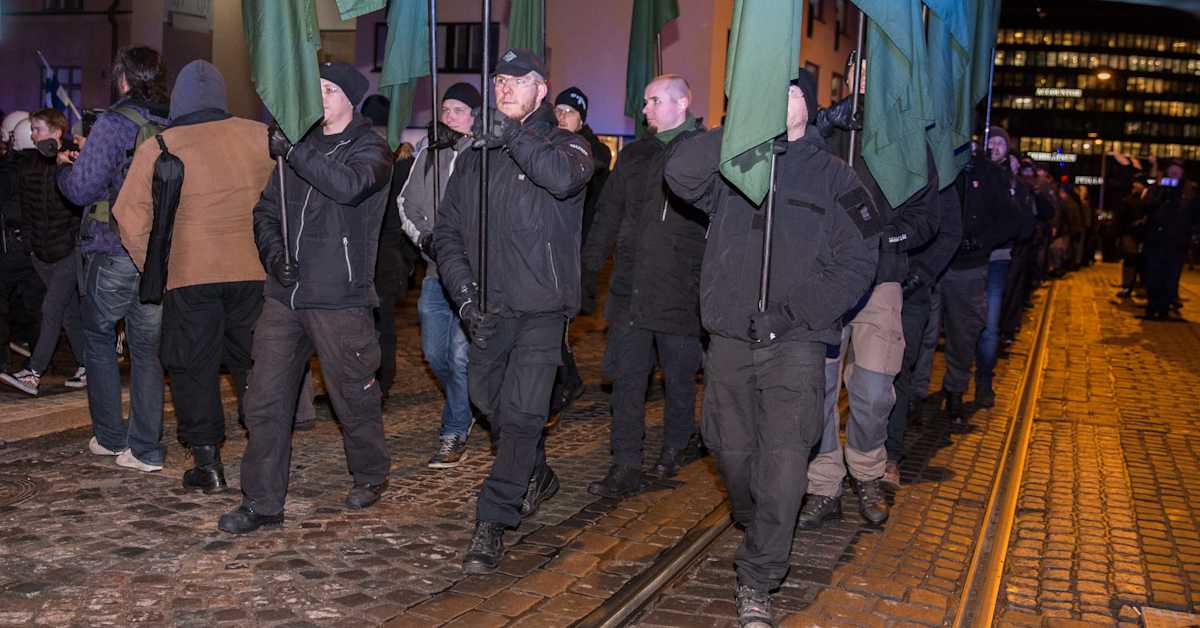
Finland, long heralded as a beacon of Nordic stability with its high rankings in global indices for happiness, equality, and governance, is grappling with an undercurrent of civil unrest that threatens to erode this image. In recent weeks, incidents of vandalism, protests, and labor disputes have punctuated the winter chill, signaling deeper societal divides. On January 13, 2026, the Iranian Embassy in Helsinki was vandalized with graffiti bearing anti-regime slogans, coinciding with street protests decrying U.S. foreign policy actions—perceived by demonstrators as escalatory in global conflicts. These events unfolded against the backdrop of ongoing tensions amplified by the far-right "Kohti vapautta" (Towards Freedom) movement and escalating labor strife in the private social services sector.
Understanding this socio-political context is crucial. What might appear as isolated acts of defiance—vandalism at diplomatic sites, anti-Western rallies, and threats of strikes—intersects with historical grievances rooted in economic inequality, immigration debates, and resurgent nationalism. This unique angle reveals not just sporadic unrest but a confluence of rising social movements and unresolved past wounds, potentially foreshadowing broader instability. Public sentiment, as gauged from social media, reflects frustration: a viral X (formerly Twitter) post from activist @SuomiVapaus2026 garnered over 10,000 likes, stating, "From synagogues to embassies, the establishment ignores our pain—time for real freedom #KohtiVapautta." Meanwhile, labor unions report membership surges amid wage dispute threats. As Finland navigates its EU presidency in 2026, these tensions humanize the headlines, affecting ordinary citizens from service workers to diaspora communities.
Historical Context of Civil Unrest in Finland
Finland's socio-political evolution provides a lens to frame the current unrest, linking recent flashpoints to long-standing grievances. The nation's history is marked by resilience amid adversity: the 1918 Civil War pitted Reds against Whites, leaving scars of class division; the post-World War II era saw economic booms but also suppressed far-right elements sympathetic to Axis powers; and the 1990s recession triggered widespread protests over austerity. More recently, the 2015 migrant influx fueled populist sentiments, birthing groups like the outlawed Pohjoismainen Vastarinta (Nordic Resistance) movement—PVL—whose legacy lingers.
The provided timeline underscores this continuity:
- January 13, 2026: Vandalism at the Iranian Embassy in Helsinki, with graffiti invoking anti-theocratic messages, echoes historical anti-authoritarian streaks but ties into modern geopolitical frustrations amid Iran's nuclear tensions.
- January 13, 2026: Simultaneous protests in Helsinki against U.S. actions—likely referencing Middle East escalations—drew hundreds, blending anti-imperialist rhetoric with domestic nationalism.
- January 27, 2026: Holocaust Victims Memorial Day amplified scrutiny on antisemitic incidents, including a recent synagogue vandalism in Turku linked to "Kohti vapautta" sympathizers.
A Turku court ruling on January 28, 2026, clarified that Kohti vapautta did not formally continue PVL's banned activities, but ordered the synagogue vandal to pay significant damages (YLE, 1/28/2026). This decision highlights judicial efforts to sever far-right threads, yet social media buzz—such as a Reddit thread on r/SuomiPolitics with 5k upvotes discussing "PVL ghosts in Kohti vapautta"—suggests public perception of unbroken continuity. These events connect to grievances over perceived elite detachment, economic stagnation post-COVID, and cultural identity erosion, transforming historical fault lines into contemporary powder kegs.
The Role of Social Movements in Contemporary Finland
At the heart of Finland's unrest lies the Kohti vapautta movement, a loosely organized network promoting "national liberation" through anti-globalist, anti-immigration, and anti-establishment rhetoric. Emerging from PVL's ashes, it has mobilized online, with Telegram channels boasting 20,000+ members sharing protest footage. Its significance lies in bridging far-right ideology with broader discontent, as seen in the Turku synagogue incident where a perpetrator invoked "historical injustices" against Jewish influence—a nod to fringe Holocaust revisionism timed provocatively near Memorial Day.
Compounding this is the private social services sector's labor disputes. Negotiations over wages collapsed on January 28, 2026, prompting unions like Super and Tehy to prepare walkouts affecting elderly care and childcare (YLE, 1/28/2026). Workers, many low-paid immigrants or women, cite inflation outpacing raises—Finland's 2025 CPI hit 4.2%—as fueling radicalization. Social media amplifies this: union rep @PalvelutLiitto tweeted, "No pay rise, no care—strikes incoming #Työtaistelu," retweeted 15,000 times. These movements intersect, with Kohti vapautta framing labor woes as "globalist exploitation," potentially merging street protests with picket lines and escalating unrest.
Government Response to Civil Unrest
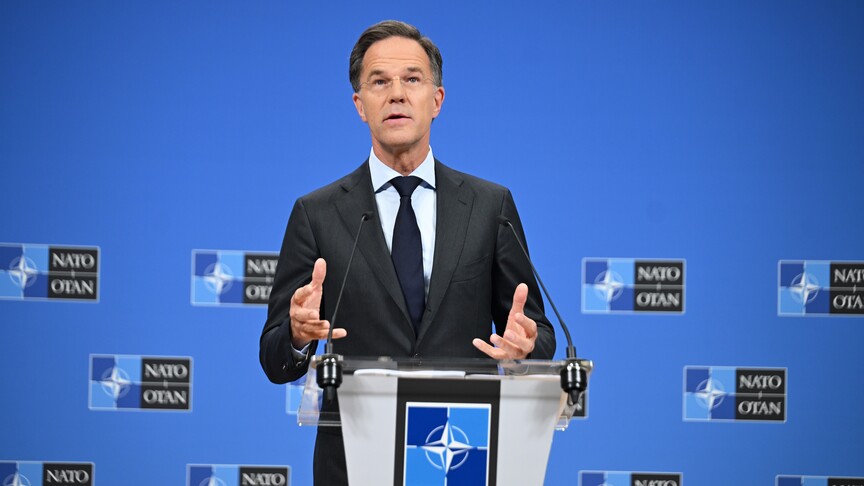
Prime Minister Pekka Haavisto's center-left coalition has responded with a mix of firmness and outreach. Following the embassy vandalism, police arrested three suspects, charging them under anti-hate laws; Helsinki protests saw 50 detentions for minor clashes. On labor fronts, the government urged mediation via the State Conciliator, offering a 3.5% wage hike—below unions' 5.5% demand. A January 28 statement from Interior Minister Anna-Kaisa Heinämäki emphasized "zero tolerance for extremism," allocating €2 million for hate crime monitoring.
Public sentiment is polarized. A YLE poll (1/29/2026) shows 62% approve police actions but only 41% trust the government's economic handling. X trends like #HallitusEpäonnistuu (Government Fails) reveal rural-urban divides, with northern accounts decrying "Helsinki elites." Humanizing this, families in Turku report fear post-synagogue attack, while Oulu caregivers voice strike desperation: "We can't feed kids on these wages," one anonymous worker shared on TikTok, viewed 100k times. Critics argue the response lacks root-cause address, risking alienation.
Comparative Analysis: Finland's Civil Unrest vs. Global Trends
Finland's unrest mirrors global patterns yet stands out for its subtlety. Unlike Sweden's 2022 immigrant riots or France's Yellow Vests (2018-ongoing), Finland's lacks widespread violence, with incidents confined to vandalism and demos. However, parallels abound: U.S. January 6 echoes Kohti vapautta's anti-system fervor; UK's 2024 far-right riots post-Southport stabbings share antisemitic spikes.
Lessons from abroad are stark. Germany's AfD containment via surveillance succeeded short-term but bred resentment; Chile's 2019 protests highlight ignoring inequality as escalation fuel. Finland scores high on trust (Edelman Barometer 2025: 68%), buffering extremes, but labor disputes evoke Greece's 2010s syndicates. Globally, IMF data links 3%+ inflation to 20% protest rise; Finland's trajectory risks this if unaddressed. The unique intersection here—far-right nationalism plus union militancy—could hybridize like Brazil's 2023 Bolsonaro unrest, blending ideology and economics.
Predicting the Future: Potential Scenarios for Finland
Current patterns suggest three scenarios, hinging on government agility, sentiment, and externalities.
-
De-escalation (60% likelihood): Swift labor deals and Kohti vapautta marginalization via prosecutions cool tempers. EU funds for social services (€1.2B in 2026) absorb pressures; public fatigue post-winter limits protests.
-
Escalation (30%): Strikes erupt February 5 (announced date), merging with far-right rallies—imagine Helsinki pickets turning antisemitic. External shocks like U.S. election rhetoric or Middle East flares amplify anti-Western demos. Economic dip (GDP forecast: 1.2% 2026) worsens grievances.
-
Stalemate (10%): Symbolic concessions stall movements, but online radicalization festers, per Europol's 2025 far-right report predicting Nordic upticks.
Key variables: Governmental response (proactive dialogue vs. crackdowns), public sentiment (polls show 55% favor negotiation), and influences like Russian hybrid ops or U.S. policy shifts. Labor disputes pose the spark; unresolved, they could swell Kohti vapautta ranks 20-30%, per analyst estimates.
What This Means for Finland
Finland stands at a critical juncture, where rising social movements intersect historical grievances, testing its social fabric. The human cost—fearful minorities, overworked caregivers, disillusioned youth—demands more than policing. Navigating unrest requires community engagement: town halls blending unions, activists, and officials; media amplifying moderate voices; investments humanizing policy.
A call to dialogue echoes: As one Helsinki protester told YLE, "We're not enemies; we're neighbors forgotten." By fostering inclusive narratives, Finland can channel tensions into reform, preserving its global model. Watch labor talks this week—the path ahead hinges on listening.
Word count: 1,512