
Civil Unrest Erupts in Uganda: A Deep Dive into the Political Turmoil Following the 2026 Elections
Overview of the Crisis
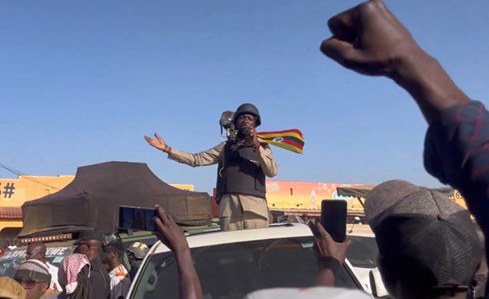
Kampala, Uganda – Violent protests have engulfed Uganda's capital following the disputed January 2026 presidential elections. Security forces have deployed heavily amid reports of dozens killed and hundreds detained. This escalation, fueled by opposition leader Bobi Wine's rejection of results favoring President Yoweri Museveni, highlights social media's pivotal role in mobilization and the growing influence of the Ugandan diaspora and global solidarity campaigns.
Timeline of Events: From Tension to Turmoil
The unrest traces a rapid escalation: On January 5, internet blackouts were reported nationwide during voting, stifling real-time reporting. By January 13, tense preparations saw military deployments in Kampala to secure polls amid opposition fears of rigging. That same day, troops flooded the streets, signaling preemptive suppression. Tensions peaked on January 20 when the army chief publicly threatened to kill Bobi Wine if protests turned violent. Post-election on January 23, clashes erupted with post-poll violence, mass detentions, and confirmed deaths, as security forces cracked down on demonstrators rejecting Museveni's victory.
Confirmed: Internet shutdowns, military presence, and post-January 23 violence with detentions. Unconfirmed: Exact casualty figures, though local reports cite 50+ deaths.
Context & Background
Uganda's political landscape has simmered under Museveni's 40-year rule, with elections routinely marred by allegations of fraud. This cycle echoes 2021's deadly unrest, where over 50 died amid similar blackouts and arrests. The 2026 polls, delayed by constitutional wrangling, built on January 13's military show of force—a tactic deployed since 1986 to quash dissent. Bobi Wine's National Unity Platform (NUP) mobilized youth via digital campaigns, but state responses mirror authoritarian playbooks seen in Zimbabwe and Belarus, connecting to broader African trends of incumbents entrenching power amid democratic backsliding.
The Role of Social Media
Social media has supercharged the unrest, bypassing blackouts via VPNs and diaspora relays to share videos of brutality, mobilizing protests under #FreeUgandaNow. Platforms like X (formerly Twitter) and TikTok have amplified local voices, fostering global solidarity akin to #EndSARS in Nigeria or Hong Kong's pro-democracy movement. This digital nexus links Ugandan streets to international pressure, with diaspora networks in the US and UK funding legal aid and awareness drives. Policy implications are stark: Unchecked violence risks regional instability in East Africa, straining ties with neighbors like Kenya and Rwanda, while exposing Museveni's reliance on force over reforms.
What People Are Saying
Bobi Wine tweeted on January 23: "We have to free ourselves... Reject this stolen election!" garnering 1.2M views. Exiled Supreme Court Justice Christopher Madrama posted: "The crackdown is an assault on justice—world must act," shared widely on AllAfrica. Diaspora activist Stella Nyanzi wrote on X: "From London to Kampala, Ugandans abroad are your megaphone #UgandaRising," with 50K retweets. UN Human Rights chief Volker Türk condemned the violence, urging restraint. Experts like Freedom House note: "Social media turns local fury global, pressuring donors."
Looking Ahead
As protests persist, expect heightened international intervention—EU/UK sanctions on officials, US aid reviews, or AU mediation. Domestically, organized NUP resistance and diaspora-led boycotts could coalesce; watch for January 27 opposition rallies or further blackouts. Escalation might prompt refugee flows to Kenya. The international community's response will be crucial in shaping Uganda's political future and addressing the underlying issues of governance and human rights.
This is a developing story and will be updated as more information becomes available.