
China's Strategic Military Purge: Implications for Global Geopolitics
What's Happening
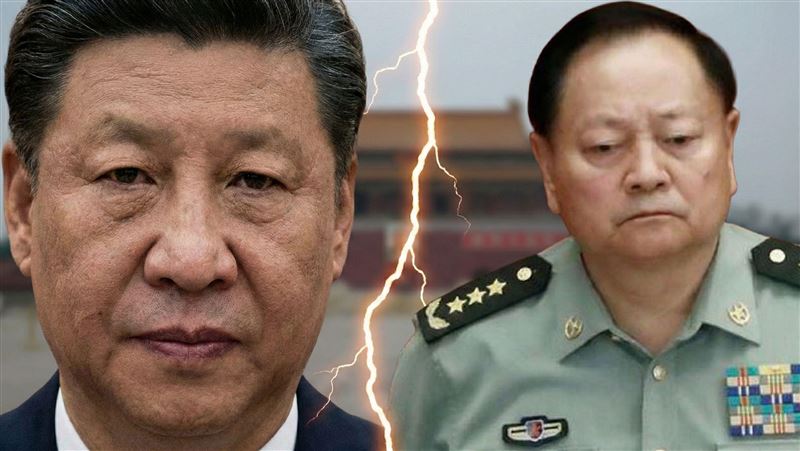
Confirmed reports from Taiwanese media detail Xi's "coup-like" purge of PLA "real-war faction" leaders, including Zhang Youxia, allegedly for resisting an immediate Taiwan invasion. Unconfirmed details suggest Zhang opposed aggressive timelines, viewing them as premature amid logistical gaps. This follows China's completion of large-scale Taiwan encirclement drills on December 31, 2025. The purge consolidates Xi's control over the Central Military Commission, sidelining dissenters and prioritizing loyalists aligned with bolder strategies. While Beijing has not officially commented, state media silence underscores the sensitivity of this issue.
Context & Background
This purge connects to a tense timeline: China's 2025 maneuvers simulated blockades around Taiwan, testing U.S. resolve. On January 1, 2026, the U.S. granted TSMC a license for chip tools in China, easing tech tensions but exposing vulnerabilities. Taiwan President Lai Ching-te's second summit with Xi in Beijing on January 2 hinted at fragile diplomacy. By January 7, Shanghai announced a $10B tech investment, while China banned military exports to Japan—retaliation for Tokyo's defense hikes. Historically, Xi's anti-corruption drives since 2012 have doubled as loyalty tests, but this purge specifically targets operational hawks, linking directly to Taiwan contingencies.
Why This Matters
Beyond immediate command shakeups, the purge reshapes China's geopolitics. Removing Taiwan skeptics like Zhang clears paths for riskier operations, potentially accelerating "reunification" amid U.S. distractions. This shift diverges from pure military focus, influencing alliances—China's Japan export ban strains Quad dynamics, while the TSMC license tests U.S. containment. Japan has bolstered missile defenses, with PM Ishiba vowing "unwavering resolve." The U.S., via allies, eyes counter-strategies like AUKUS expansions. For Taiwanese civilians, this humanizes the stakes: families on the frontlines face heightened invasion risks, underscoring the purge's global ripple effects on supply chains and deterrence.
What People Are Saying
Social media buzzes with alarm. Analyst @GordonChang tweeted: "Xi purges Zhang Youxia—signal for Taiwan strike? Real-war faction gone means green light." @BonnieGlaser noted: "Purge post-maneuvers suggests Xi overriding caution amid TSMC deal." UK PM Starmer's rejection of Trump's Beijing warnings highlights alliance fractures. Experts quote: "This isn't housekeeping; it's strategic realignment," per CSIS's Tom Joscelyn.
Looking Ahead
Post-purge, expect intensified PLA drills near Taiwan by Q2 2026, probing U.S. responses. Watch U.S.-Japan joint exercises and EU chip curbs. Alliances may shift: India could deepen Quad ties; economic pacts like RCEP face scrutiny. If purges continue, Xi's inner circle hardens, risking miscalculation—confirmed loyalty tests could spark internal PLA unrest.
This is a developing story and will be updated as more information becomes available.
(Word count: 603)