
Ceasefire or New Offensive? The Implications of Trump's Diplomatic Overture on Ukraine's War Landscape
Current Situation
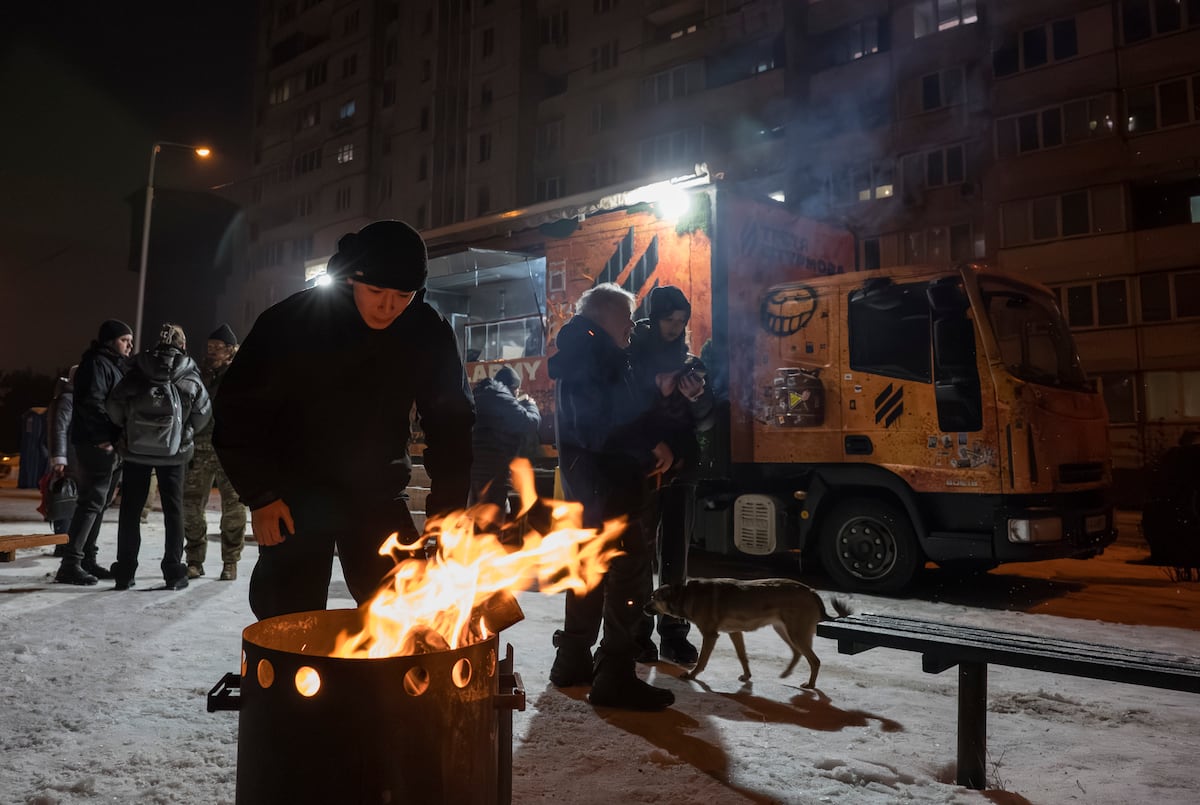
Trump's statement, shared via social media, asserts that direct communication with Putin led to the ceasefire pledge, halting aerial strikes on urban centers starting immediately. However, no independent verification from Moscow or Kyiv has emerged, and Russian strikes persisted into late January. Confirmed events include a drone strike on Odesa injuring six on December 31, 2025, alongside attacks on the Kyiv region and another Odesa hit that day. Explosions rocked Russian-held Melitopol during a Ukrainian offensive, and Ukraine retaliated with a Kherson drone strike on January 1, 2026. Ukrainian officials report no formal agreement, labeling it "unconfirmed rhetoric," while frontline reports indicate sporadic drone activity continuing post-statement.
Historical Context
This situation fits a pattern of fleeting truces amid Russia's attritional air campaign since the 2022 invasion. New Year's Eve 2025 saw a surge in attacks: Odesa's dual drone strikes wounded civilians and damaged infrastructure, echoing patterns from 2023-2024 where Russia targeted Black Sea ports to choke grain exports. The Kyiv region's assault tested air defenses, while Melitopol blasts coincided with stalled Russian advances in Donetsk. Ukraine's Kherson response underscores a tit-for-tat escalation, mirroring failed ceasefires like the Istanbul talks, which collapsed into Bakhmut's meat grinder. Historically, such pauses have enabled Russian force regeneration, as seen before the fall of Avdiivka in February 2024.
Why This Matters
Trump's claim injects U.S. election-year diplomacy into a war that is exhausting Ukrainian reserves. Russia's drone swarms degrade air defenses, forcing rationing of Western systems like Patriots. A verified week-long halt could allow Kyiv to rotate troops and replenish munitions, buying time amid delayed U.S. aid. However, if unconfirmed, it risks complacency; past "pauses" masked offensives, potentially enabling Russia to mass for Donbas pushes. Strategically, it tests Trump's "peace through strength" amid Putin's winter attrition doctrine, where urban strikes erode morale without ground gains. For civilians, even brief relief matters—Odesa's hits highlight over 20,000 noncombatant deaths—but failure could accelerate hybrid tactics like Shahed drone saturation.
What People Are Saying
Ukrainian MP Oleksiy Goncharenko tweeted: "Trump's Putin call? Nice story, but drones don't read tweets. Odesa still burning." Russian milblogger Rybar posted: "Temporary halt? Tactical repositioning for Kursk counteroffensive." A spokesperson for Zelenskyy reiterated: "No deal without territory guarantees." U.S. analyst Michael Kofman noted on X: "Historical precedent: truces favor the side with deeper reserves—Russia."
Looking Ahead
A true ceasefire is unlikely to sustain; historical trends show a 70% failure rate post-pauses, with Russia exploiting lulls for 2024 gains. Monitor Russian Telegram channels for troop movements toward Zaporizhzhia; Ukrainian F-16 readiness could deter escalation. If strikes resume by February 5, expect U.S. aid vote acceleration. Escalation risks are high if Putin views this as a sign of weakness—brace for intensified Black Sea drone duels.
This is a developing story and will be updated as more information becomes available.