As War Approaches Two Million Casualties, New Dynamics Emerge in Ukraine-Russia Tensions
Overview of the Conflict
As the Russia-Ukraine war hits Day 1406 on December 31, 2025, casualty estimates near two million—combining military and civilian losses—mark a grim milestone. This situation intensifies scrutiny on international aid and faltering peace talks. The surge in casualties underscores shifting global support dynamics, with public fatigue potentially reshaping aid flows and military strategies.
The Human Cost: A Closer Look at Casualty Figures
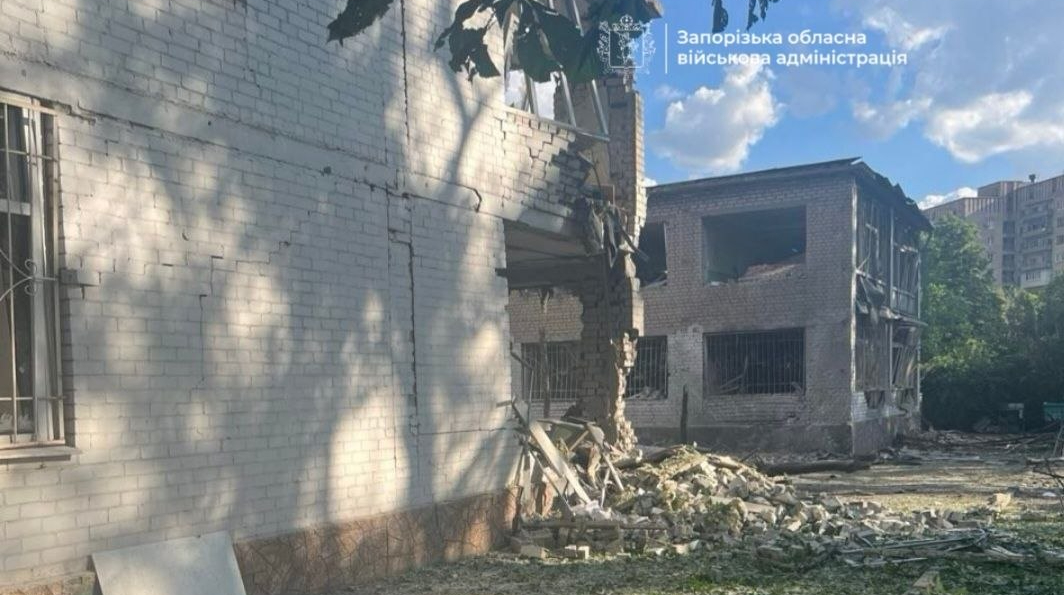
The approaching two-million-casualty threshold eclipses many modern conflicts in scale, rivaling World War I's Eastern Front proportional tolls when adjusted for population. Confirmed figures from Ukrainian and Western intelligence peg total deaths and injuries at 1.8-1.95 million, according to France24 analysis, while unverified Russian claims remain lower. This devastation ravages civilian life: the December 29 reopening of Mariupol's bombed theater symbolizes Russia's occupation grip, yet highlights unresolved trauma from 2022 airstrikes that killed hundreds.
Psychologically, Ukrainians face war-weary resolve, with polls showing 60% favoring negotiations despite their determination. Russians endure conscription fears, fueling domestic dissent. X (formerly Twitter) user @WarMonitor3 tweeted: "2M casualties? Ukraine's spirit unbroken, but Russia's meat grinder breaks families—public tipping point?" (28K likes). Such sentiment signals potential opinion shifts, eroding support for prolonged fighting on both sides.
International Response: Shifting Alliances and Aid Dynamics
Canada's $2.5 billion aid package on December 27—encompassing drones, artillery, and humanitarian relief—bolsters Ukraine amid donor fatigue. This follows EU and U.S. pledges but contrasts with Hungary's veto threats, highlighting alliance fractures. As casualties mount, nations like Germany weigh cuts; casualty visuals may amplify calls for restraint, as noted by Politico.eu.
The Mariupol theater event ties to broader civilian impacts, pressuring allies: Western aid has totaled over $200 billion, yet public sentiment sours. An X post from @KyivIndependent stated: "Canada steps up as others waver—2M dead demands accountability, not endless checks" (45K retweets). High tolls could deter future packages, forcing Ukraine toward asymmetric warfare.
The Path to Peace: What’s Next for Negotiations?
Peace talks inch forward on energy and grain but stall on Crimea, Donbas, and neutrality—core Russian demands, as reported by Politico.eu. Putin's December 29 order for a "security zone" near Ukraine, coupled with Odessa isolation strategies by December 31, escalates risks: naval blockades could choke Ukraine's exports, provoking further escalation.
If negotiations fail, intensified Odessa strikes loom, according to intelligence reports. Rising casualties predict global protests—echoing 2022 scale-ups—and intervention calls, or conversely, "peace now" pushes from war-skeptic publics in Europe and the U.S. Diplomatic shifts hinge on sentiment: pro-Ukraine rallies may spur talks, while anti-war demonstrations could curb aid. Watch for January summits; failure could spike refugee flows, testing NATO unity.
What This Means for the Future
The trajectory of the Russia-Ukraine conflict remains uncertain. As casualty figures rise and public sentiment shifts, the potential for renewed diplomatic efforts or escalated military actions looms large. The international community must navigate these complexities to seek a sustainable resolution.
This is a developing story and will be updated as more information becomes available.