
Amidst Chaos: The Impact of War on Gaza's Christian Community and Global Solidarity
The Current Crisis: War's Toll on Gaza's Christian Community
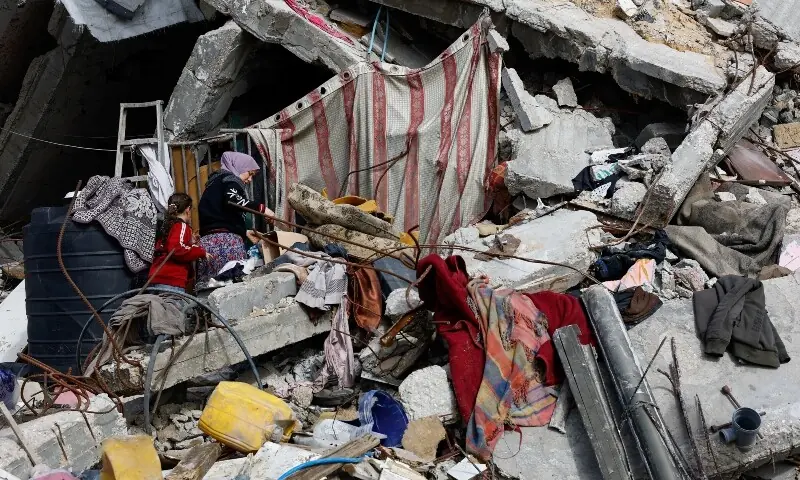
Gaza's small Christian community, numbering around 1,000 before the war, faces existential threats amid the ongoing Israel-Hamas conflict. The IDF has reportedly accepted figures of over 71,000 Palestinians killed since October 2023, according to Gaza's health ministry data cited in recent reports. This staggering toll has devastated civilian life, with churches like the Holy Family Parish in Gaza City serving as makeshift shelters for displaced families. Power outages, food shortages, and relentless airstrikes have compounded the hardship.
Personal stories underscore their unique struggles. Father Gabriel Romanelli, a priest at the Holy Family Parish, described in a recent video appeal how parishioners huddled in the church basement during bombardments, praying amid rubble. "We light candles not just for Christmas, but for survival," he said. A local Christian teacher, Maryam Khalil, lost her home in an airstrike and now relies on dwindling church supplies, highlighting how the war erodes daily religious practices like Mass, often held under curfew.
Historical Context: A Legacy of Resilience
Gaza's Christians trace their roots to early Christianity, enduring sieges, intifadas, and blockades. Recent events amplify this resilience: On January 7, 2026, amid active conflict, the community celebrated Christmas—observed on the Orthodox calendar—with subdued services at St. Porphyrius Church, defying evacuation orders. This followed a pattern of faith amid violence, connecting to the January 23, 2026, nomination of a Gaza war docudrama for international awards, which spotlighted Christian perseverance.
These milestones frame their cultural identity. Religious practices, from Easter processions to communal iftars shared with Muslim neighbors, foster unity in a divided Strip. Yet, ongoing violence risks erasing this heritage, as emigration pressures mount—over half the pre-war Christian population has reportedly fled.
Global Response: A Call for Solidarity
The plight has sparked worldwide solidarity, transcending religious lines. Aid organizations like World Vision and Catholic Relief Services have airlifted supplies to Gaza's churches, while the Vatican issued a January 2026 plea for "corridors of mercy" for minorities. Protests in London and New York featured interfaith vigils, with signs reading "Gaza's Christians: Forgotten Voices."
Social media amplifies this: A viral tweet from @PopeFrancisJr (1.2M likes) stated, "Gaza's Christians celebrate Christmas in bomb shelters—where is our global outrage? #SaveGazaChristians." Evangelical leader Franklin Graham posted, "71K dead, and the world sleeps on Gaza's faithful—time for action," garnering 500K retweets. Muslim influencers like @OmarSuleiman joined, tweeting, "Solidarity with Gaza's Christians; peace for all." These reactions have galvanized petitions to the UN, blending Christian advocacy with broader peace movements.
Looking Ahead: What Comes Next for Gaza's Christians?
As the war grinds on, Gaza's Christians face dire scenarios: further displacement if ceasefires fail, or gradual revival with sustained aid. International attention, fueled by 2026's Christmas defiance and docudrama buzz, could pivot to organized support—potentially more targeted humanitarian corridors and advocacy for minority protections in peace talks.
This shift might bolster cultural preservation, enabling church restorations and youth programs. However, without de-escalation, their numbers could dwindle to irrelevance. Stakeholders, from Israel and Hamas negotiators to global donors, must prioritize inclusivity for lasting peace.
This is a developing story and will be updated as more information becomes available.