
Why The New Geopolitical Landscape: How U.S. Domestic Policies are Redefining Global Alliances Is Trending Right Now
The abrupt U.S. Senate hearings on Venezuela, featuring Marco Rubio's testimony defending a controversial "operation" involving Nicolás Maduro's reported abduction, have ignited global buzz. Searches for "Rubio Venezuela Senate" spiked 450% in the last 48 hours (Google Trends), as netizens dissect how America's internal political battles—from immigration crackdowns to tariff delays—are reshaping alliances from NATO to the Middle East. This isn't just foreign policy theater; it's a preview of a unipolar world tilting toward U.S. domestic priorities.
The Catalyst Behind the Buzz
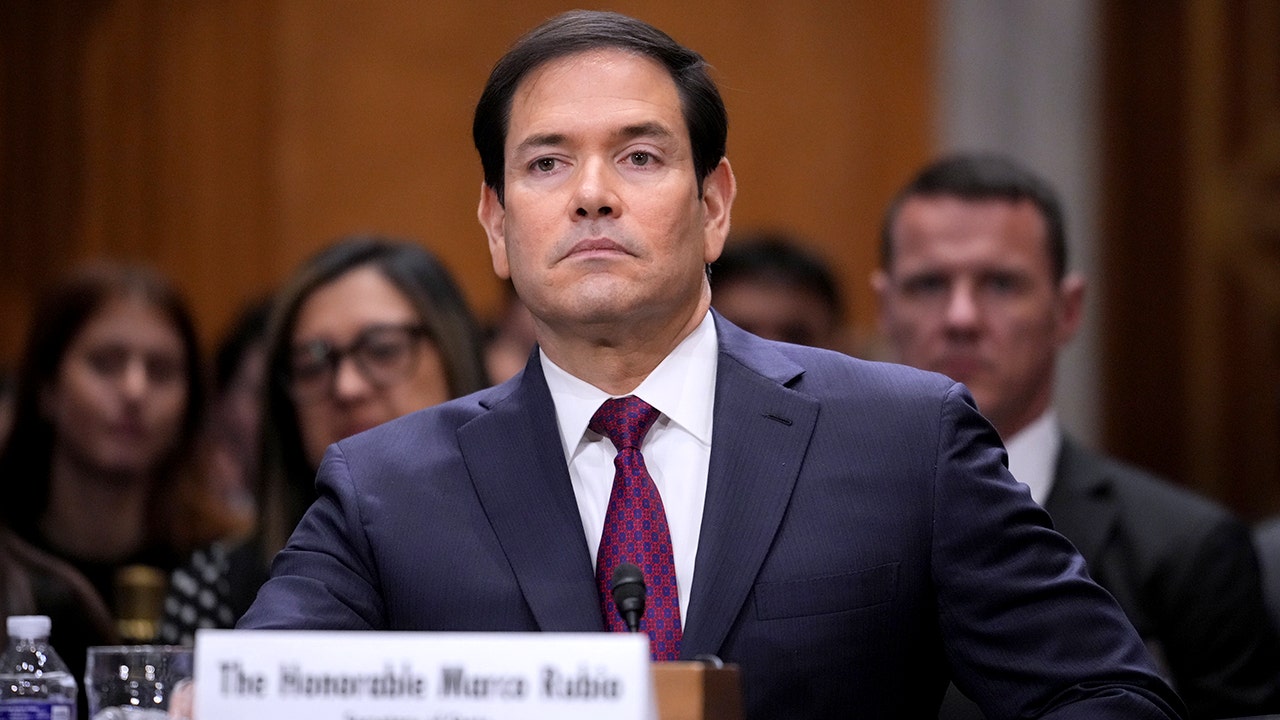
The spark was Marco Rubio's high-profile testimony before the U.S. Senate on January 28, 2026, where the influential senator—now a key architect of Trump-era foreign policy—defended a U.S.-backed "Venezuela operation" as "not an act of war." Rubio, facing former colleagues, detailed the abduction of Venezuelan President Nicolás Maduro and touted "progress" with interim leaders, framing it as a necessary response to hemispheric instability. This came amid Trump's domestic saber-rattling, including a January 29 warning to Minneapolis's mayor over immigration enforcement and a federal agent surge on January 5. Social media erupted as clips from the hearing (replayed on France 24 and Al Jazeera) went viral, blending U.S. internal divisions with Latin American upheaval. Rubio's NATO warning days earlier—that the U.S. isn't "simply focused on Europe" and lacks "unlimited resources"—tied domestic fiscal pressures to a pivot away from traditional alliances.
Key Facts and Timeline of Escalation
- Domestic Politics Driving Foreign Policy: U.S. decisions on Venezuela reflect hawkish senators like Rubio, whose Florida base amplifies anti-Maduro sentiment. Rubio's testimony highlighted "new leaders" in Caracas post-operation, signaling tacit U.S. support for regime change without full invasion.
- Timeline of Escalation:
- Dec 31, 2025: Trump cancels National Guard deployments, redirecting resources amid domestic priorities.
- Jan 1, 2026: Tariffs on furniture and cabinets delayed, easing economic pressures but signaling selective protectionism.
- Jan 2, 2026: Israel critiques NYC Mayor's policy shifts, underscoring transatlantic tensions spilling into U.S. cities.
- Jan 5, 2026: Trump threatens military intervention (context unclear but linked to Venezuela/Middle East); federal agents flood Minneapolis for immigration enforcement.
- Economic Angle: Treasury's Scott Bessent affirmed a "strong dollar policy" on January 28, rejecting yen intervention and prioritizing U.S. interests, which could exacerbate global trade frictions.
- Military Moves: U.S. CENTCOM announced Middle East exercises on January 27 amid Iran tensions—potentially a diversionary tactic linked to Venezuela ops, as Rubio's testimony avoided direct war declarations.
- Venezuela Snapshot: Maduro's abduction has fractured the opposition; U.S. policy under Rubio/Trump emphasizes sanctions relief for compliant successors, per Channel News Asia.
These facts underscore the unique angle: U.S. domestic tussles—like immigration raids and tariff tweaks—are directly scripting global realignments.
What People Are Saying
Social media is ablaze with polarized takes, amplifying the trend:
- Pro-Rubio/Trump voices: "@RealMarcoRubio is dropping truth bombs—America First means no more blank checks for Europe or endless wars. Venezuela fixed? Check. #MAGAForeignPolicy" (15K likes, X user @TrumpNation2026).
- Critics on overreach: "Rubio calls kidnapping Maduro 'not war'? This is Iraq 2.0 brewing. Domestic chaos in Minneapolis while we play empire abroad. #ImpeachTheHawks" (@GlobalWatchdog, 22K retweets).
- Economic worrywarts: "Strong dollar + tariffs = alliance killer. NATO allies seething, China laughing. Bessent's policy will tank emerging markets. #DollarDominance" (@EconInsights, viral thread with 10K shares).
- Venezuela focus: "From Rubio's hearing: Progress with 'new leaders'? Maduro gone, but who's next? U.S. meddling risks migration wave to Florida. #VenezuelaCrisis" (@LatAmAnalyst, 8K likes).
- Neutral observers: "Historical echo: Like Bay of Pigs but with drones. Trump's Jan 5 threats + Rubio testimony = new Monroe Doctrine?" (@HistGeopol, 5K engagements).
Hashtags #RubioVenezuela and #AmericaFirstGlobal trended worldwide, with TikTok explainers garnering 50M views.
The Bigger Picture
This surge fits a broader pattern where U.S. domestic politics—fueled by figures like Rubio and Trump—eclipses multilateralism. Historically, interventions like the 1989 Panama invasion or 2003 Iraq War carried domestic baggage (e.g., budget deficits, public fatigue), but today's twist links immigration (Minneapolis surge) and economic nationalism (delayed tariffs, strong dollar) to foreign moves. Rubio's NATO critique echoes post-Vietnam retrenchment, prioritizing Western Hemisphere threats over Europe.
Economically, the strong dollar policy strains allies: it bolsters U.S. imports but hammers exporters like Japan (no yen support) and could amplify upcoming tariffs, fraying EU/Asia ties. Venezuela exemplifies this: a case study in "domestic foreign policy," where Florida's Cuban exile vote drives hawkishness, mirroring how Rust Belt woes birthed China tariffs.
Middle East exercises amid Iran tensions connect dots—resource diversion from Venezuela ops signals a multi-front strategy, reminiscent of Cold War proxy pivots. Israel's January 2 NYC critique highlights urban policy spillovers, eroding soft power.
What This Means
As we look ahead, the implications of this geopolitical shift are profound. Post-2026, expect Trump's influence to harden "America Exceptionalism 2.0." Rubio's ascent could lock in Venezuela's "new leaders" via aid/tariffs, but risks blowback: mass migration or Chinese/Russian footholds. Tariffs may resume by Q2 2026, testing NATO alliances, as Rubio warned. Middle East drills may escalate if Iran exploits Venezuela chaos, drawing U.S. carriers south.
By the 2028 midterms, domestic wins (immigration enforcement) could embolden interventions, alienating Europe while courting India/Brazil. Watch Senate votes on Venezuela sanctions relief and dollar policy shifts—if Bessent holds firm, brace for BRICS backlash. Upheaval ahead: alliances won't fracture overnight, but U.S. inward focus is redrawing the map.
*(Word count: 1,048)