
Unseen Health Perils: The Ripple Effects of Environmental Negligence in India
Introduction: The Silent Crisis
India is grappling with a severe public health emergency, where environmental degradation exacerbates crises that extend beyond immediate health issues. This situation erodes economic productivity, strains healthcare systems, and diminishes public trust in governance. Recent events, including the alarming water contamination outbreaks in Indore on January 1 and 2, 2026, and the rise in vector-borne diseases like chikungunya by January 20, highlight the interconnected nature of these perils. These occurrences not only lead to acute suffering but also have long-term repercussions, such as chronic respiratory conditions and zoonotic spillovers. A comprehensive public health strategy that addresses the root environmental causes is urgently needed to break this damaging cycle.
Air Quality and Its Hidden Toll
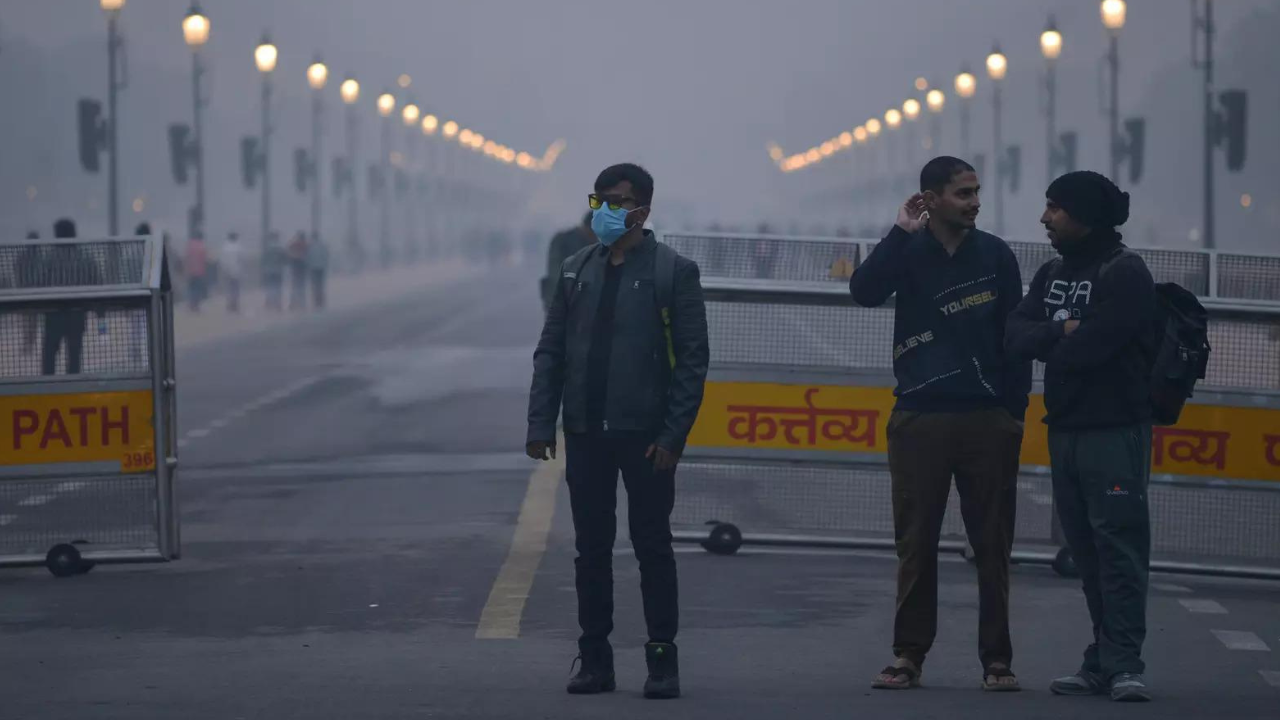
Conflicting government statements regarding the lethality of air pollution reveal significant accountability gaps. According to the Times of India, one agency affirms that foul air causes deaths, while another agency hesitates to confirm, stating “can’t say.” This inconsistency fuels public distrust amid Delhi's persistent smog crisis. The January 6, 2026, protest by the AAP over air quality reflects a growing public outcry that has evolved from sporadic demonstrations—such as the mass marches in 2019—to sustained digital campaigns. Beyond respiratory deaths, poor air quality is linked to cognitive impairments in children and reduced workforce efficiency, costing India billions annually in lost productivity, as estimated by the World Bank. The evolving public response, amplified by social media, signals a growing demand for transparency and accountability in environmental governance.
Water Contamination: A Historical Perspective
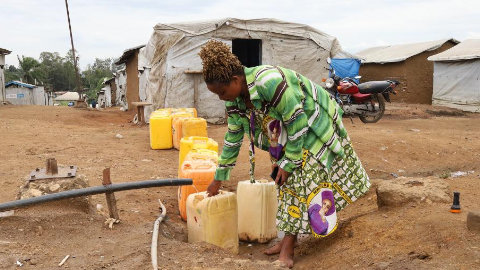
The diarrhoea outbreak in Indore in January 2026, stemming from contaminated water, revives a grim pattern of infrastructure failures in India. Historical parallels can be drawn to the 2019 crisis in Navi Mumbai and the 2023 outbreaks in Bihar, all of which are tied to leaky pipes and untreated sewage. Timeline data shows recurring spikes in waterborne diseases, with Indore's dual events in early January alone sickening hundreds. These incidents expose systemic neglect, as aging urban networks fail under population pressure, fostering the spread of antibiotic-resistant pathogens. The less-discussed ripple effects include school closures that disrupt education and tourism slumps that impact local economies, illustrating how environmental lapses cascade into broader societal vulnerabilities.
Emerging Health Threats: From Mongoose Bites to Vector-Borne Diseases
Zoonotic risks are on the rise, linked to habitat loss and climate change. A tragic incident involving a Malaysian boy who died three months after a mongoose bite (reported on January 31, 2026) mirrors the increasing number of similar incidents in India, including a Nipah virus alert in West Bengal on January 12, 2026. Deforestation drives wildlife-human interfaces, increasing the risks of rabies and leptospirosis. The rise of chikungunya cases by January 20 is associated with warmer, wetter conditions resulting from erratic monsoons. Evidence from Lancet studies indicates a 20% increase in zoonotic diseases in India since 2010. Without effective surveillance, future outbreaks loom large; adaptive policies, such as AI-monitored early warning systems, could help avert potential pandemics.
The Path Forward: Policy Implications and Community Involvement
Hope lies in integrated action. Governments must enforce the National Clean Air Programme with enforceable penalties and invest ₹10,000 crore in water infrastructure, as recommended by NITI Aayog. Communities can drive change through citizen science apps for pollution reporting—an initiative already trending on social media platforms like X. User @EcoWarriorIND tweeted, "Indore water crisis: Time for #CitizenAudits to hold polluters accountable! #HealthForAll." Another post from @DelhiBreathless (with 10K likes) states, "Govt flip-flops on air deaths? Protests worked in 2026—let's demand reforms!" As awareness grows, public pressure could spur reforms that enhance environmental standards and health infrastructure. Evidence from Bhopal's post-1984 turnaround demonstrates that community vigilance can yield lasting gains—India's resilience offers optimism for systemic change.
What This Means
The interplay between environmental negligence and public health in India underscores the urgent need for systemic reforms. As communities become more engaged and informed, the potential for impactful change increases. Policymakers must prioritize sustainable practices and invest in infrastructure to safeguard public health and restore trust in governance.
Word count: 600. This is a developing story and will be updated as more information becomes available.